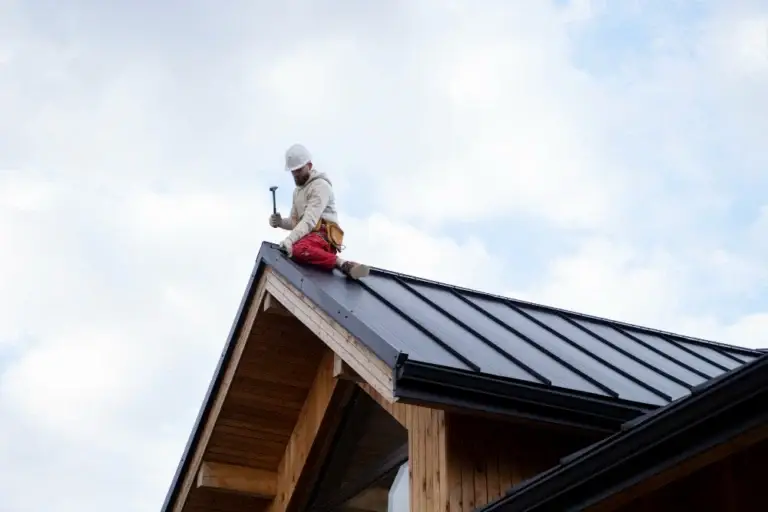


- Roof damage tends to worsen with each weather event rather than staying the same.
- Within 48 hours of a breach, water begins saturating attic insulation and roof decking.
- Mold can develop within one week in Oklahoma’s warm, humid attic conditions.
- A small repair cost can grow substantially if the underlying issue is left unaddressed for months.
- Insurance adjusters look for signs that damage was not dealt with promptly, which can affect your claim.
You spotted a torn shingle in the yard. Or maybe a faint brown ring just appeared on your living room ceiling. It is natural to wonder how much time you have before things get significantly worse.
The straightforward answer is that roof damage tends not to wait. Once the waterproof layer of your home is compromised, every subsequent rain event can add to the problem. What starts as a minor issue can grow into something much more involved if left unaddressed.
Here is a realistic picture of what typically unfolds.
Table of Contents
ToggleHow Damage Progresses Over Time
Water follows the path of least resistance and can cause more harm more quickly than most people expect.
The First 48 Hours
Rainwater bypasses the outer layer and reaches the underlayment. It begins soaking into the wooden decking. Attic insulation absorbs the incoming moisture, which reduces its effectiveness at regulating your home’s temperature.
One Week Later
The warm, damp, dark conditions in an Oklahoma attic are ideal for mold. Spores can begin developing within days of moisture taking hold. Wooden decking boards also start to swell, warp, and gradually lose structural strength.
One Month Later
Accumulated water begins pressing down on the ceiling below. Drywall sags, paint bubbles, and the structural integrity of the roof deck becomes a concern. What began as a roofing issue has now become a multi-trade repair job.
The Financial Picture of Waiting
A missing shingle or a cracked pipe boot is a relatively contained fix. But when a small opening goes unaddressed for weeks or months, the scope of the work expands. You may find yourself not just paying a roofer, but also a carpenter for rotted wood, a drywall crew for the ceiling, and a mold remediation team for the attic framing.
A few hundred dollars of early repair can grow into a far more significant project simply because the call was delayed.
When the Situation Is Genuinely Urgent
Some situations allow time to gather a couple of estimates. Others call for same-day action. Reaching out for emergency roofing services is the right move if any of the following apply:
- Water is actively dripping into living spaces or running down interior walls.
- Your ceiling drywall is visibly bowing or sagging.
- A heavy branch or debris has gone through the decking.
- High winds have removed large sections of shingles, exposing bare underlayment, with more weather on the way.
For homeowners across Oklahoma City, Moore, Norman, Edmond, Midwest City, and surrounding communities, these situations warrant prompt action. Waiting even a few hours when water is actively entering your home compounds the damage.
How Delays Can Affect Your Insurance Claim
Insurance adjusters are trained to distinguish between fresh storm damage and damage that has been sitting for an extended period. Rotted wood, widespread mold, and deterioration that suggests months of exposure can lead an adjuster to classify the damage as a maintenance issue rather than a covered storm event.
Insurance is designed to cover sudden, accidental damage. Addressing known issues promptly keeps that distinction clear and protects your ability to file a successful claim.
Getting an Accurate Picture
A meaningful assessment of a compromised roof is not something you can get from the driveway. A professional roof inspection will tell you how far any water intrusion has traveled and what the actual condition of your decking and shingles is. If a patch is a viable fix, we will tell you. If you are looking at something closer to a full roof replacement, you will know that too, with the information you need to make the right call.
Reach out to Hiner Roofing and we will find the source of the problem, document what we find, and help you get ahead of it before it becomes something larger.
Frequently Asked Questions
How fast does roof damage get worse if left unrepaired?
It can progress quickly once the waterproof barrier is breached. Within 48 hours, water can saturate attic insulation and start soaking into roof decking. Within a week, mold spores can begin developing. Within a month, ceiling damage and decking rot are realistic possibilities. The sooner the issue is addressed, the more contained the repair tends to be.
Can I wait a few weeks to fix a small roof leak?
A small leak rarely stays that way, particularly with Oklahoma’s active weather cycles. Additional rain, temperature fluctuations, and wind can all worsen an existing breach. Acting sooner is almost always less expensive than waiting and dealing with secondary damage.
Will my insurance cover roof damage if I waited to report it?
Potentially not. Policies require timely reporting, and adjusters are trained to identify deterioration patterns that suggest damage was not addressed promptly. If the damage is classified as the result of neglect rather than a sudden storm event, the claim may be denied. Reporting any suspected storm damage as soon as possible is the safest path.
What signs suggest roof damage has become a structural emergency?
Sagging or bowing ceiling drywall, active water entering living spaces, daylight visible through attic decking, soft or spongy areas on the roof surface, and persistent musty odors in upper floors are all signs that the situation has moved beyond a straightforward repair. These warrant immediate professional attention.