

- A legitimate roof inspection covers the ground, the full roof surface, all penetrations, and the attic.
- Professional inspectors look for damage invisible to the untrained eye, including lifted sealant strips and hail bruising.
- Thorough photographic documentation is essential for any insurance claim to succeed.
- Watch for contractors who skip the attic, take no photos, or pressure you to sign before sharing their findings.
- A proper inspection is your strongest protection against an underpaid or denied insurance claim.
A roof inspection is a thorough, systematic review of your home’s exterior. A good inspector checks the flashing, documents granule loss, tests sealant strips, and looks inside your attic for signs of moisture. They take photos throughout to give you a clear picture of what is actually happening above your ceiling. If a contractor is not doing all of this, they are making their best guess with your money.
Here is exactly what a legitimate inspection looks like, step by step.
Table of Contents
ToggleThe Step-by-Step Inspection Process
A thorough evaluation does not start on the roof. It starts at ground level and finishes inside your home.
Step 1: The Ground-Level Assessment
The inspector walks the full perimeter of your home, checking downspouts for shingle granules and looking for any collateral storm damage on siding, window screens, and AC units. These ground-level clues can tell a lot about the severity of a weather event before anyone climbs onto the roof.
Step 2: The Surface Check
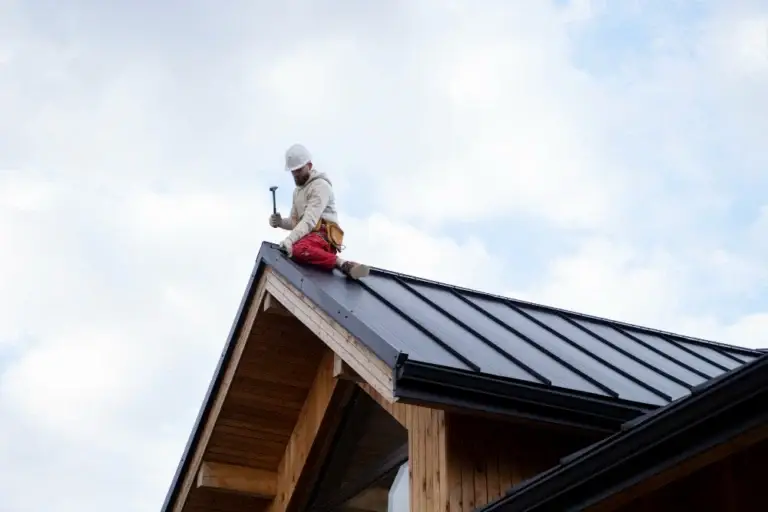
Once on the roof, a qualified inspector goes well beyond scanning for missing shingles. They feel for soft spots in the decking, check for hail bruising beneath the shingle surface, and lift shingle edges to confirm whether the adhesive wind seal is still intact.
Step 3: Penetrations and Flashing
Water rarely enters through the center of a sound shingle. It tends to get in through the seams. A professional inspector carefully examines the metal flashing around chimneys, skylights, and pipe boots. Cracked sealant or rusting metal is a reliable sign that a leak is developing.
Step 4: The Attic Inspection
A roof cannot be fully assessed without looking underneath it. A proper inspection includes your attic, checking for water stains on the decking, mold, and ventilation issues. Poor attic ventilation can degrade shingles from the inside out, even when the exterior looks perfectly fine.
What the Pros Check vs. DIY
| What a Homeowner Sees | What a Professional Identifies |
|---|---|
| Missing or visibly broken shingles | Lifted shingles with broken adhesive seals |
| A flat, apparently intact surface | Hail bruising and crushed fiberglass matting |
| A few missing granules | Impact points that can lead to nail rust and decking rot |
| No visible leaks inside the home | Early moisture intrusion in attic insulation |
A homeowner climbing a ladder after a storm is typically looking for obvious holes or missing shingles. A professional inspector is looking for the less visible damage that can cause roof failure months down the line. It is a meaningful difference, and it is one reason why a DIY visual check after severe weather in Oklahoma City, Norman, Edmond, or anywhere across the OKC metro has real limits.
Why Documentation Matters
One of the most important things a good contractor does is document what they find. If an inspector does not show you photos, that is worth questioning.
A thorough inspection should include close-up shots of hail impacts, wide shots showing the pattern of wind damage, and photos of the attic decking. That documentation is what supports your case if you need to file a claim for roof storm damage repair. Your insurance adjuster will want to see evidence, and a well-documented inspection report gives you exactly that.
Red Flags Worth Knowing About
Not every contractor operates the same way. Here are a few signs to watch for when choosing who to trust:
- They decline to go into your attic.
- They do not take any photos during the inspection.
- They push you to sign a contract before walking you through their findings.
- They mention significant damage but cannot point to a specific example.
- The entire visit takes less than 30 minutes for a standard residential roof.
Get a Clear Picture Before Making Any Decisions
Your roof is what stands between your family and Oklahoma’s weather. It deserves more than a five-minute glance.
If a storm has recently moved through your area in Bethany, Yukon, Midwest City, Newcastle, or anywhere across Cleveland or Oklahoma County, a complete and documented evaluation gives you the information you need to make smart decisions. Reach out to Hiner Roofing to schedule your free storm damage roof inspection. We will tell you exactly what we find, show you the evidence, and help you take the right next step.
Frequently Asked Questions
What does a professional roof inspection include?
A professional roof inspection covers a ground-level assessment of the perimeter, a full walk of the roof surface, close examination of all flashing and penetrations, and an attic inspection for moisture, mold, and ventilation issues. It should conclude with a written report and photographic documentation of every area of concern.
How long should a proper roof inspection take?
For a standard residential roof, a thorough inspection should take at least 45 minutes to an hour. A significantly shorter visit is often a sign that the contractor is not examining the full surface or producing the documentation you need.
Why is an attic inspection part of a roof check?
The attic reveals damage that is not visible from the exterior. Water stains on the decking, mold on rafters, and wet insulation are all signs of active moisture intrusion. Without checking the attic, a roof inspection gives you an incomplete picture.
Do I need photos from my roof inspection to file an insurance claim?
Yes. Insurance adjusters require documented evidence tied to a specific date of loss. Close-up photographs of hail impact points, wind damage, and flashing failures are the foundation of a credible claim. A contractor who leaves without providing this documentation has not given you what you need.