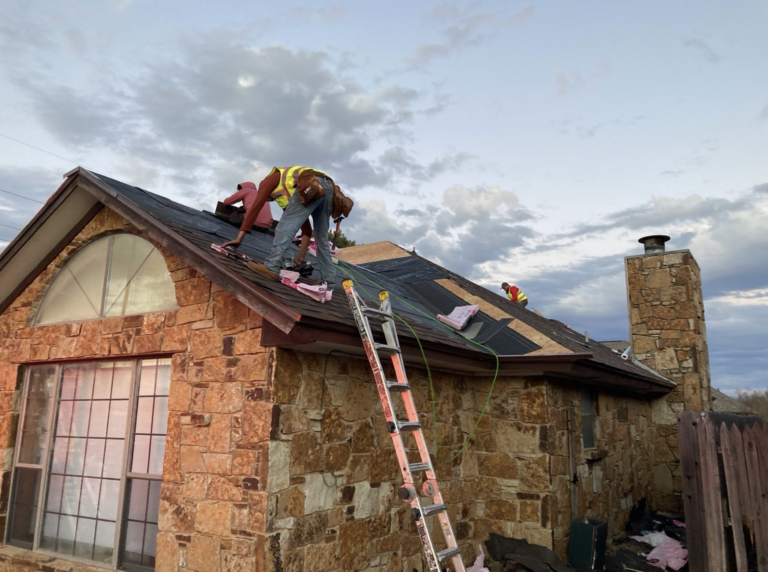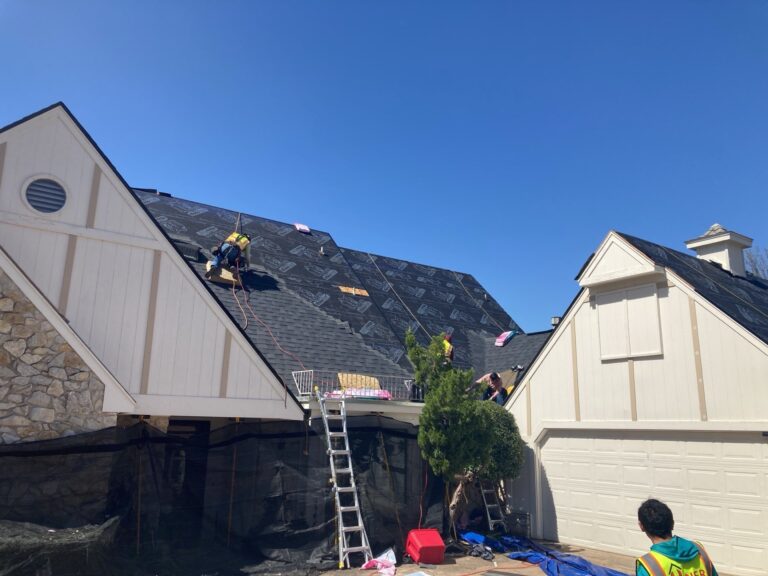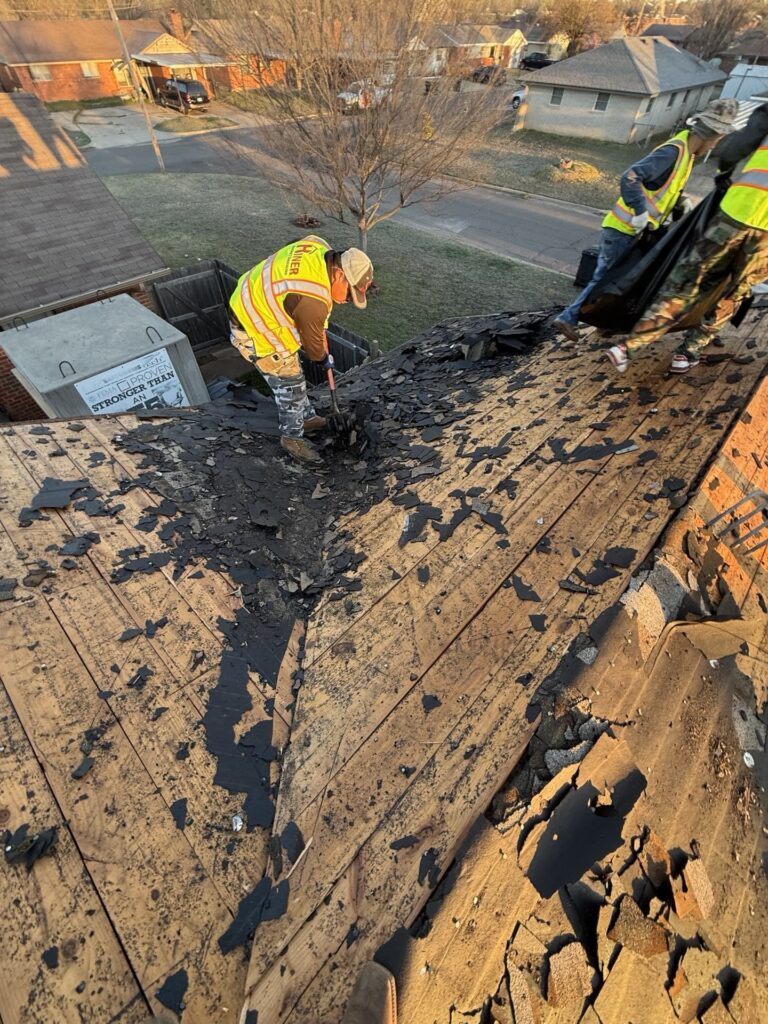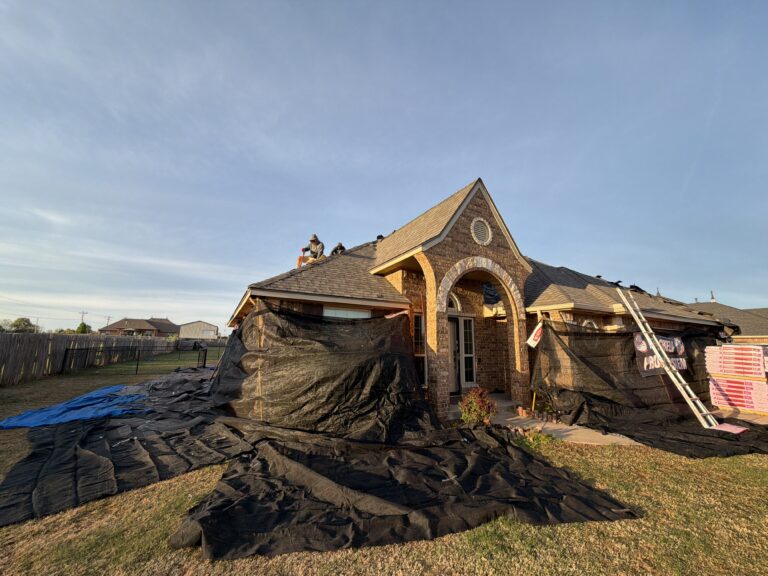
After a major storm, it is natural to look at your roof from the ground and assume everything is fine. The problem is that some of the most costly forms of storm damage are not visible from your driveway. Hail bruising, lifted shingles, and small cracks can leave your roof vulnerable long before a leak appears inside your home. Understanding these hidden risks can help you protect your property, avoid expensive repairs, and strengthen any future insurance claim.
- Storm damage to asphalt shingles is often invisible from ground level, even after severe weather.
- Hail bruising, lifted shingles, and micro-fissures can cause roof failure months after the storm.
- Delaying a check-up risks wood rot, mold growth, and a denied insurance claim.
- Oklahoma insurance policies typically have a one-year window to file a storm damage claim.
- A professional roof inspection is the most reliable way to confirm whether your roof sustained hidden damage.
You step outside after a big Oklahoma spring storm. The yard is a mess, but you look up and breathe a sigh of relief. The roof looks completely fine. All the shingles are there. No gaping holes. No water dripping into your living room.
You made it through, right?
Possibly not. The reality is that some of the most serious storm damage is completely invisible from your driveway. Hail bruising, broken sealant strips, and lifted shingles often do not show up until months later, by which point water may already be working its way into your decking. Getting a professional set of eyes on your roof sooner rather than later is the best way to avoid a costly surprise down the road.
Table of Contents
ToggleWhy You Can’t See the Damage
Asphalt shingles are designed to lay flat. Even when their structural integrity is compromised, they often maintain their shape. A broken seal or a crushed fiberglass mat is not visible from thirty feet away. You need to be up on the roof, close to the material, feeling for soft spots and checking for displaced granules.
This is why many homeowners across Oklahoma City, Moore, Norman, Edmond, and surrounding communities end up with repairs that could have been smaller with a timely inspection.
Types of Hidden Roof Damage
When severe weather moves through the OKC metro, it can leave behind specific types of damage that are easy to overlook.
Hail Bruising
Hail does not always punch a visible hole. Instead, it acts more like a hammer, crushing the fiberglass matting beneath the protective granules and creating a soft, bruised spot. Over time, granules wash away, the sun bakes the exposed asphalt, and a leak can develop. If you suspect your home took a hit, it is worth looking into professional hail damage repair before a bruised area becomes a bigger problem.
Lifted Shingles
High winds can grab the edges of shingles and pull them up, breaking the adhesive seal. When the wind stops, the shingle drops back into place and looks perfectly normal. But once that waterproof seal is gone, the next rainstorm can drive water straight underneath.
Micro-Fissures
Rapid temperature drops combined with hail impact can cause tiny, hairline cracks in shingles. Water seeps into these cracks, freezes, expands, and gradually degrades the roofing material from the inside out. Micro-fissures are essentially invisible until the damage has already spread.
The Risks of Waiting
Leaving potential damage unaddressed allows it to compound quietly.
- Silent wood rot: Slow leaks do not always drip into your living space right away. They can soak into attic insulation and roof decking and rot the wood for months before you notice anything.
- Mold growth: Trapped moisture in a warm Oklahoma attic creates conditions where mold can take hold quickly, and remediation is rarely inexpensive.
- Insurance claim complications: Most Oklahoma homeowners policies have a filing window of around one year after a storm event. Waiting too long can result in a denial, with the damage attributed to general deterioration rather than the original storm.
Common Things Homeowners Get Wrong After a Storm
A few patterns come up regularly after severe weather:
- Assuming no missing shingles means zero damage.
- Waiting for a visible water stain on the ceiling before reaching out to a roofer.
- Dismissing the signals around them. If several neighbors are having their roofs replaced after the same storm, it is worth having your own looked at.
When to Get an Inspection
If a significant storm has moved through your area in Oklahoma City, Yukon, Mustang, Midwest City, or anywhere across the OKC metro, a professional assessment is always a worthwhile step. A comprehensive roof inspection gives you clarity. A trained inspector can spot hail hits and wind-lifted shingles that simply are not visible from the ground.
If your home may have taken a hit from high winds or hail, reach out to Hiner Roofing for expert storm damage roof repair. We will document any findings, walk you through the photographic evidence, and help you understand exactly what coverage you may be entitled to.
Frequently Asked Questions
Can a roof look fine after a storm but still be damaged?
Yes. Asphalt shingles are designed to lay flat even when structurally compromised. Hail bruising, broken sealant strips, and micro-fissures are all common forms of hidden storm damage that are invisible from the ground but can lead to leaks and structural problems over time.
How long do I have to file a roof insurance claim after a storm in Oklahoma?
Most Oklahoma homeowners insurance policies require you to file a storm damage claim within one year of the weather event. Waiting longer risks a denial, with insurers potentially attributing the damage to wear rather than the original storm.
What is hail bruising on a roof?
Hail bruising occurs when hailstones crush the fiberglass matting beneath the surface granules of an asphalt shingle. The shingle may look intact from the ground, but the internal structure is weakened. Over time, the granules wash away, the asphalt is exposed to UV damage, and a leak can develop.
What should I do immediately after a storm in Oklahoma City?
Try not to assume your roof is undamaged just because it looks intact from the driveway. Photograph any visible damage around your property, check your gutters for granule buildup, and schedule a professional roof inspection when it is safe to do so. Acting promptly protects both your home and your ability to file a successful insurance claim.