- Not every roof inspection is thorough enough to catch the damage that matters for your insurance claim.
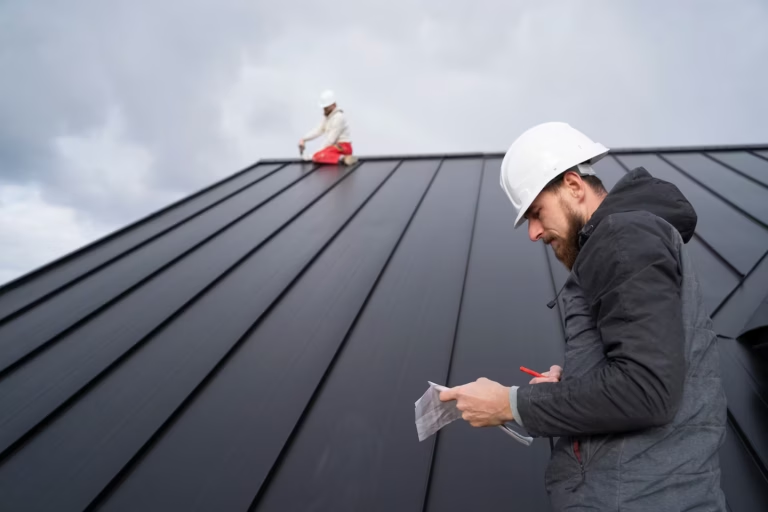
- A proper inspection requires physically walking the full roof surface, not just scanning from the gutters.
- Without detailed photographic documentation, an inspection report may not hold up with an insurance adjuster.
- After major storms, out-of-state contractors come to Oklahoma in large numbers. Quality and experience vary widely.
- Choosing the right inspector is one of the most important factors in getting a fair insurance settlement.
Not every roof inspection delivers what homeowners are hoping for. Many people assume that a professional showing up with a ladder and a clipboard means they will get a trustworthy assessment. But the quality of an inspection varies significantly between contractors, and a substandard one can cost you thousands if a claim gets denied and damage is left to worsen.
The Shortcuts That Leave Damage Behind
A thorough inspection means a qualified professional physically getting onto the roof and examining every section of the surface. What actually happens with some contractors is a quick look from the gutters, a scan for obvious issues, and a verbal summary delivered in twenty minutes or less.
That approach tends to miss hail impacts on the flat center sections of shingles, granule loss that is only clearly visible up close, soft spots in the decking, and cracked or separated flashing. These are not cosmetic details. They are the failure points that turn into active leaks the next time a storm moves through. An inspection that skips them is not giving you the picture you need.
The Problem With Incomplete Documentation
Even when a contractor does identify damage, if they do not document it properly, your insurance claim can run into trouble before it even gets started. Adjusters need specific evidence to process a claim effectively.
A well-documented inspection report should include:
- Close-up photographs of individual damage points.
- Measurements of affected areas.
- Clear written notes on the location, extent, and type of damage found.
When this documentation is incomplete, an adjuster has more room to minimize the scope of what is covered. Asking a contractor upfront what their documentation process looks like is a simple and genuinely useful filter before you let anyone onto your roof.
Why Contractor Quality Varies So Much
The roofing industry has relatively low barriers to entry for inspection work. After a major hailstorm in Oklahoma, it is common to see a surge of out-of-state contractors moving through affected areas. Some of them are experienced and legitimate. Others are less so.
An inspector who is not deeply familiar with storm damage patterns may not reliably distinguish a genuine hail impact from normal surface weathering, or a shingle destroyed by a single storm event from one that simply aged out. That distinction matters enormously when it comes to what your insurance company is responsible for. Doing a bit of research before choosing who to work with is time well spent.
How a Weak Inspection Can Affect Your Claim
Insurance adjusters look for reasons to accurately scope a claim down to what is covered, and they do it closely. If your inspection report is incomplete, poorly photographed, or based on an assessment that missed key damage, the adjuster has more room to push back.
A thorough roof inspection completed by a qualified, locally experienced roofer before the adjuster arrives puts well-organized evidence in your hands and makes a genuinely significant difference to how the claim process unfolds.
Questions Worth Asking Before You Choose an Inspector
A few questions can help you quickly assess whether a contractor is worth your time:
- How long will the inspection take? Under 45 minutes for a standard residential roof is a concern.
- Will you physically walk the entire roof surface?
- What does your documentation process look like? Will I receive a written report with close-up photographs?
- Are you licensed and insured in Oklahoma?
- Can you share references or reviews from local homeowners?
Our team at Hiner Roofing approaches every inspection knowing what storm damage looks like, how to document it to insurance standards, and how to show up prepared to do the job properly. We serve homeowners across Oklahoma City, Moore, Norman, Edmond, Yukon, Mustang, Piedmont, and surrounding communities.
Schedule your inspection with a team that takes the documentation as seriously as the roof itself.
Frequently Asked Questions
Why do some roof inspections miss storm damage?
Some inspectors scan from the gutters rather than walking the full roof surface. That approach tends to miss hail bruising on flat shingle sections, subtle granule loss, soft decking spots, and flashing issues. Incomplete inspections leave damage undocumented and give adjusters more room to minimize claims.
What should a roof inspection report include?
Close-up photographs of every area of concern, measurements of damaged sections, and clear written notes on the location, type, and extent of the damage found. This documentation is what supports a credible insurance claim.
How can I tell if a roofing contractor is experienced with storm damage?
Ask how long the inspection will take, whether they will walk the full surface, and what their documentation process includes. Verify their Oklahoma license and insurance. Check local reviews and ask for references. Be cautious of out-of-state contractors who arrive unsolicited in the days following a storm.
Can a weak inspection report hurt my insurance claim?
Yes, significantly. An incomplete or inaccurate report gives an adjuster more room to argue that damage is pre-existing, cosmetic, or below your deductible. A thorough report from a qualified local contractor makes that conversation much more straightforward.