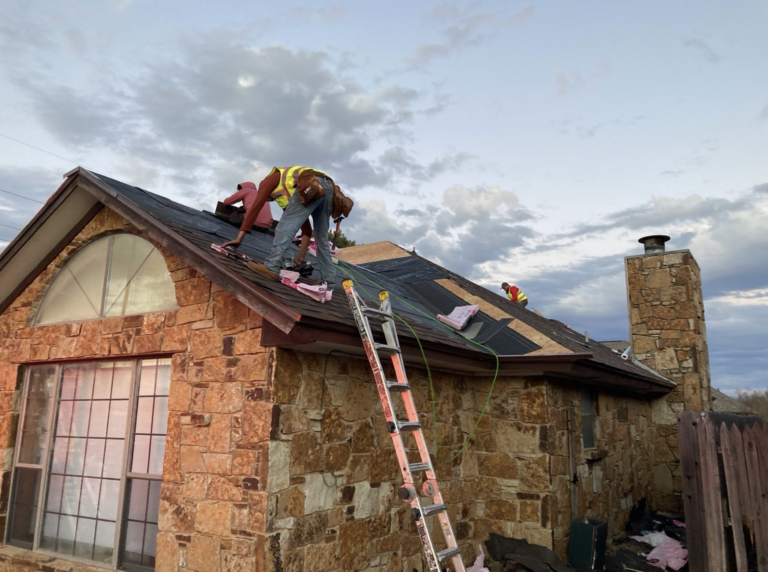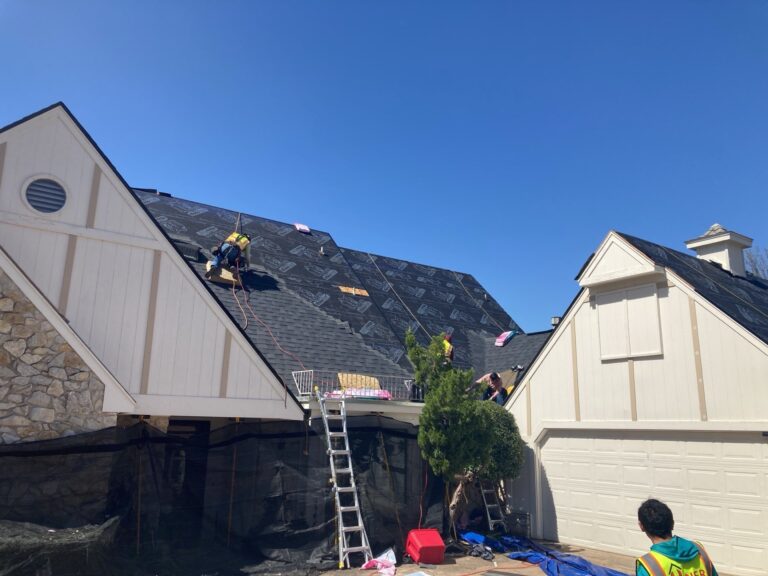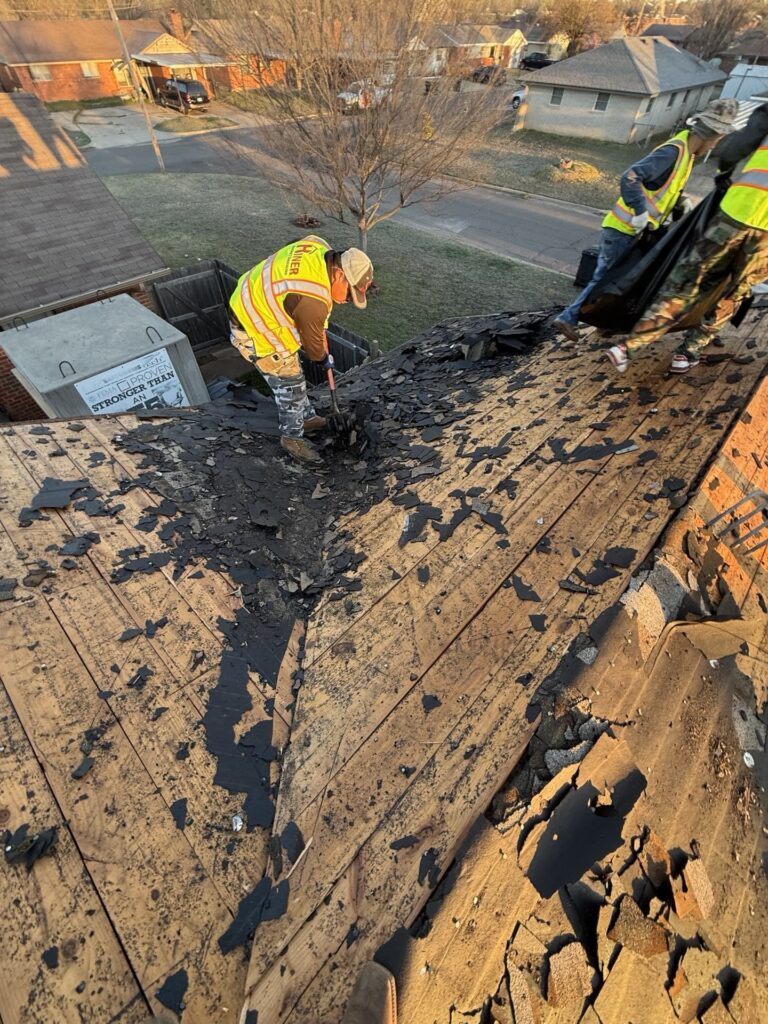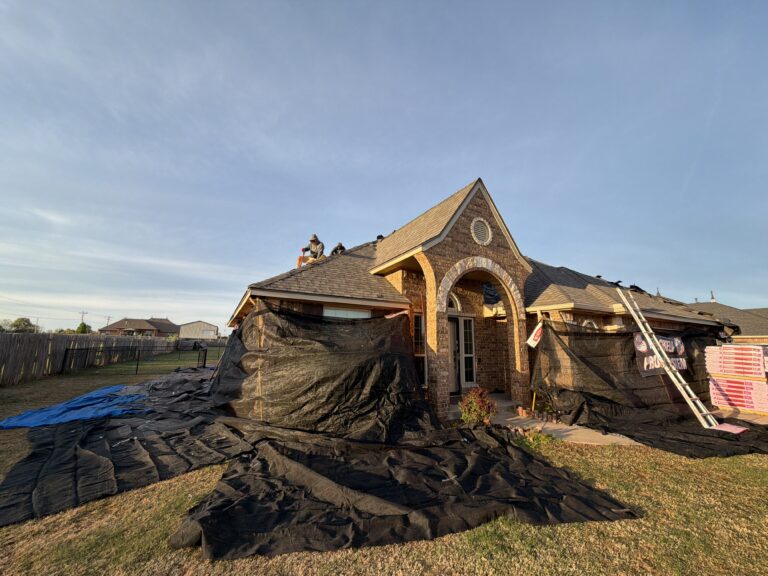
The wind has finally stopped. Your yard is covered in debris and your neighbor’s fence is down the street. Your first instinct is probably to call your insurance agent. Before you do, take time to document any visible damage and schedule a Storm Damage Roof Inspection. A professional inspection can uncover hidden issues caused by hail or high winds, helping you understand the extent of the damage and strengthening your insurance claim with documented evidence.
- Taking a few steps before filing a claim puts you in a much stronger position when the adjuster arrives.
- Address any active water intrusion right away to protect your home and meet your policy’s mitigation requirements.
- Document everything with photos before you clean up, including gutters, yard debris, and collateral damage.
- Getting an independent roofing inspection before the adjuster visits gives you your own documented evidence to work from.
- Be cautious of door-to-door contractors after a storm, and ask your roofer to be present when the adjuster inspects your property.
Taking a few steps before you make that call, however, gives you a much better foundation for the claim process. Once you file, the adjuster takes over the narrative. Getting ahead of that, even by a day or two, can make a real difference to your outcome. Here is what we recommend doing as soon as it is safe to step outside.
Table of Contents
Toggle1. Address Any Active Water Intrusion
Water can cause a lot of damage in a short period of time. If a tree branch has gone through your decking or large sections of shingles have been displaced, it is worth moving quickly. Most homeowners policies also include a duty to mitigate, meaning you are expected to take reasonable steps to prevent further damage after an incident.
- Move vulnerable belongings: Shift furniture, electronics, and rugs away from any active drips or wet areas.
- Relieve ceiling pressure: If your ceiling paint is visibly bulging with pooled water, carefully poke a small hole in the center with a screwdriver and let it drain into a bucket. Leaving water to pool can lead to a larger ceiling failure.
- Get a tarp in place: Skip the wet ladder. Calling a local crew for emergency roofing services to secure a heavy-duty tarp over any exposed decking is the safer option. Keep your receipts as your insurer will typically reimburse this kind of mitigation work.
2. Document Everything Before You Clean Up
One of the most common challenges in a claim is an adjuster suggesting the damage was pre-existing. Photographs taken immediately after the storm, before anything is cleaned up or repaired, give you a clear record to work from.
- Walk the full perimeter: Take wide-angle shots of the overall scene, then close-ups of any specific areas of concern.
- Look for collateral damage: Dented gutters, damaged window screens, chipped siding, and battered outdoor furniture all help confirm the severity of the weather event.
- Check the downspouts: Shingle granules that have washed into the gutters and collected at the base of downspouts are a reliable indicator of shingle damage, even when the roof looks intact from the street.
- Hold onto physical evidence: A torn-off shingle or broken vent cover stored in your garage can be useful later in the process.
3. Get Your Own Expert on the Property First
The adjuster who comes to your home works for the insurance company, and their goal is to produce an accurate estimate from the insurer’s perspective. Having a roofing contractor who is working for you gives you your own documented assessment to bring to that conversation.
Before you file a claim, it helps to know whether the damage is likely to exceed your deductible. Scheduling a free storm damage roof inspection with a trusted local company gives you that picture. Your contractor can measure hail hits, check sealant strips, and produce a detailed written report. If you need roof storm damage repair, that documentation is what gives your claim its best footing.
Homeowners across Moore, Norman, Yukon, Mustang, Midwest City, Piedmont, and the wider OKC metro face the same situation after significant weather events. Having a trusted local roofer involved before the adjuster visit regularly leads to better settlement outcomes.
A Few Things to Be Aware Of
In the aftermath of a storm, a few situations are worth being careful about:
- Door-to-door contractors: If someone arrives in an unmarked truck offering to cover your deductible, that is a red flag. Arrangements like that constitute insurance fraud and can create legal exposure for you as the homeowner.
- Solo adjuster walkthroughs: Asking your roofer to be present during the adjuster’s inspection means a second set of experienced eyes on the roof. It is worth arranging.
- Assuming everything is fine: Invisible damage is common after hailstorms. Not seeing missing shingles from the driveway does not mean the fiberglass matting inside those shingles is undamaged.
Take a breath, address what needs addressing inside, get your photos, and then reach out to Hiner Roofing. We will take it from there.
Frequently Asked Questions
Should I call my insurance company or a roofer first after a storm?
A roofer first, if possible. Getting an independent inspection before you file means you arrive at the adjuster meeting with your own documented evidence. It gives you a much stronger position when negotiating the scope and value of the claim.
What is the duty to mitigate after storm damage?
The duty to mitigate is a standard requirement in homeowners insurance policies that asks you to take reasonable steps to prevent further damage after a covered event. This means tarping exposed areas and moving belongings away from active leaks. Failing to do this can result in the insurer declining coverage for damage that accumulated after the initial event.
What should I photograph after a storm?
The full perimeter of your home from multiple angles, any visible roof damage, dented gutters and downspouts, granule buildup at the base of downspouts, window screens, siding, outdoor furniture, and any interior damage such as ceiling stains or water intrusion. Document everything before cleanup begins.
Are door-to-door roofing contractors after a storm legitimate?
Some are legitimate local contractors, but many are out-of-state storm chasers. Any contractor who offers to waive or absorb your deductible is describing an arrangement that constitutes insurance fraud, which can create legal exposure for you. Always verify licensing, check reviews, and work with a locally established company you can vet.