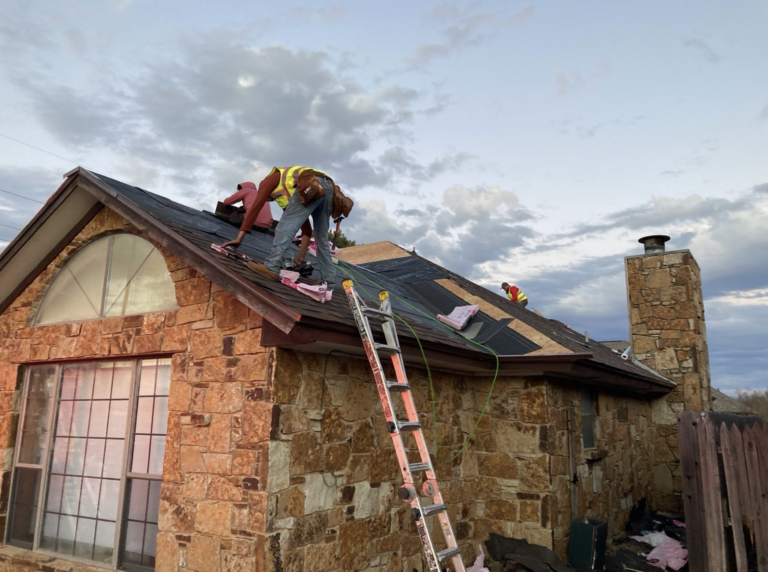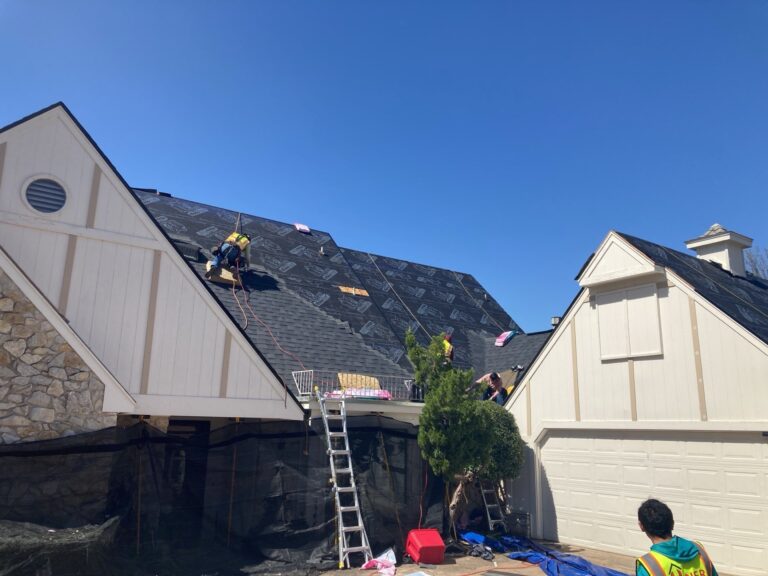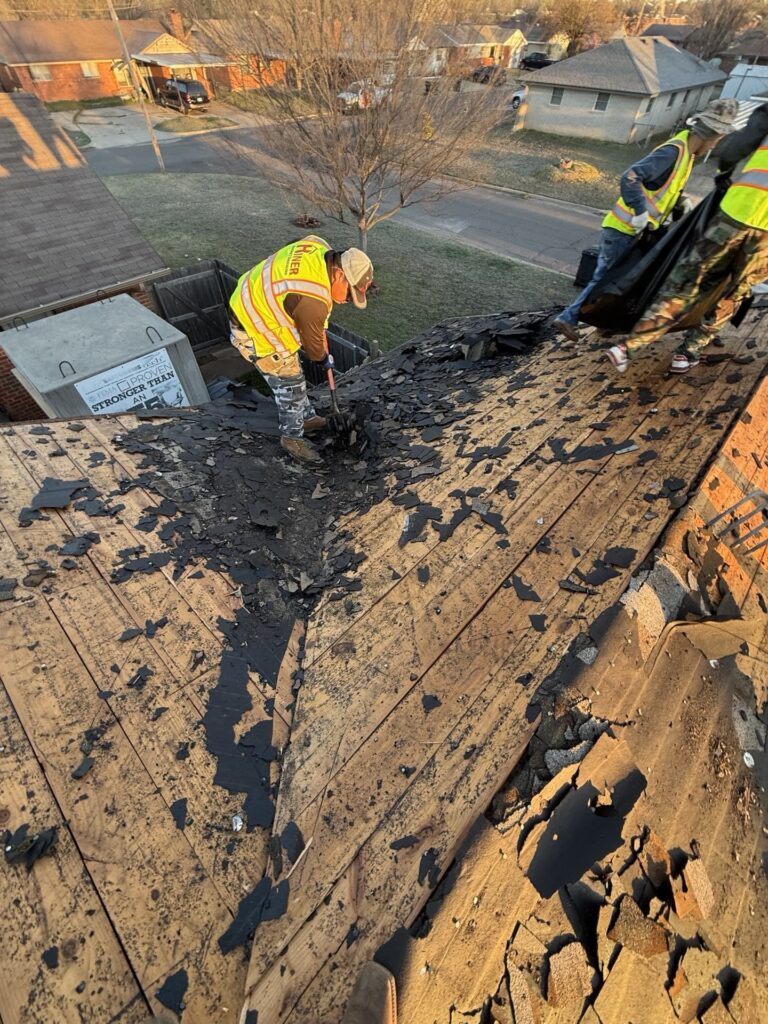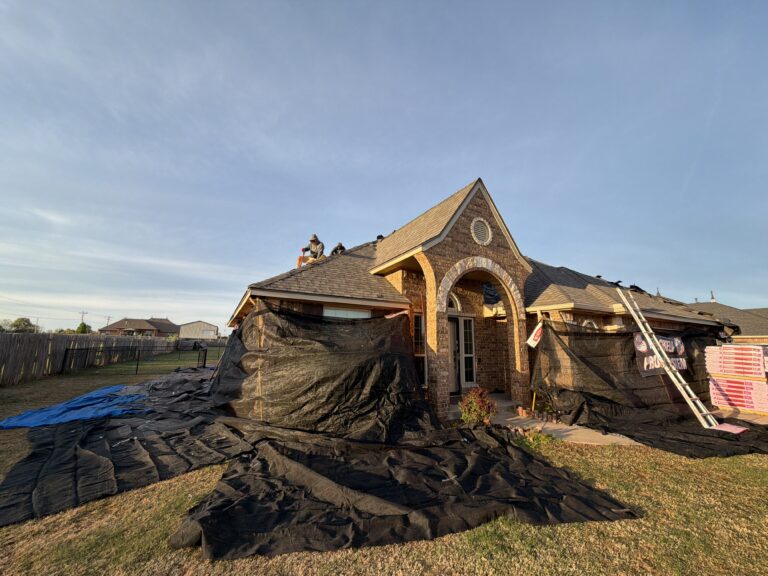
Oklahoma weather keeps homeowners on their toes year-round. From spring hailstorms to summer downpours and winter ice, your roof is doing a lot of work. When water starts finding its way inside, a reasonable question is whether to act immediately or address it once conditions improve. The honest answer is that it depends on the nature of the leak. Some situations genuinely need same-day attention, while others allow a bit of time to assess properly.
- Not every roof leak requires an emergency response, but some situations need same-day attention.
- Any leak near electrical systems, or one causing ceiling sagging or structural risk, should be treated as urgent.
- Mold can begin developing within 24 to 48 hours in Oklahoma’s humid conditions.
- Most insurance policies ask you to take reasonable steps to limit further damage after an incident.
- When you are unsure after a storm, a same-day call to a professional is always a reasonable choice.
Here is how to tell the difference.
Table of Contents
ToggleThe Two Types of Roof Leaks
Most roof leaks fall into one of two categories, and understanding which type you are dealing with helps guide how urgently you respond.
- Slow, gradual leaks: These develop over months and are typically caused by worn sealants, aging shingles, or blocked gutters. They often show up as ceiling stains or a musty attic smell. While they do need attention, they usually allow time to schedule a professional assessment rather than requiring an immediate emergency response.
- Sudden, acute leaks: These are directly linked to a severe weather event and can allow significant volumes of water into your home very quickly. They warrant a same-day call.
When a Roof Leak Becomes an Emergency
A leak moves into emergency territory when it poses an immediate risk to your safety, your home’s structure, or your electrical system.
Water Near Electrical Systems
If water is dripping close to light fixtures, outlets, or your electrical panel, leave the affected area and cut power to that section of your home at the breaker. Water near electrical systems is a genuine safety risk. Do not attempt any investigation or repair until that hazard has been addressed.
Sagging or Bulging Ceilings
A visibly bowed or bulging ceiling suggests water has pooled above the drywall. If only the paint is blistering, carefully making a small hole to release the pressure can prevent a larger collapse. If the drywall itself is sagging, calling an emergency roofing contractor is the right move before anything else.
A Fast-Moving Leak You Cannot Contain
If the volume of water entering your home is more than buckets and towels can manage, you are at risk of significant structural damage and mold. That is an emergency situation and warrants an immediate call to a professional team.
If your leak does not fall into any of these categories but you are unsure what a recent storm may have left behind, a routine roofing inspection is a sensible next step to make sure nothing small is being missed.
The Risks of Waiting When You Are Unsure
It is understandable to want to wait and see, especially if the leak seems minor. A few things are worth keeping in mind, though:
- Mold develops quickly: In Oklahoma’s warm, humid conditions, mold can begin growing within 24 to 48 hours of water intrusion. Once it is established in insulation or framing, the remediation cost grows substantially.
- Structural weakening: Water soaking into wooden roof components gradually reduces their strength, which can turn a straightforward repair into something much more involved.
- Insurance considerations: Most homeowners policies ask policyholders to take reasonable steps to prevent further damage after an incident. Delaying action can complicate a future claim.
Helpful Steps While You Wait for a Professional
There are a few safe, practical things you can do while waiting for help to arrive:
- Place buckets or containers under any active drips.
- Lay down towels or plastic sheeting to protect flooring and furniture.
- If you can access your attic safely and without risk, a tarp can help slow water movement from the inside.
- Please skip wet ladders. The emergency team will tarp the exterior when they arrive, and a fall is always a more serious problem than a bit of extra water damage.
Homeowners across Moore, Norman, Yukon, Edmond, Midwest City, Mustang, and the wider OKC area all face the same challenge after severe weather. Having a trusted local roofer you can call quickly makes a real difference.
When to Call an Emergency Roofer
Reach out to an emergency roofing contractor right away if:
- Your home has experienced structural damage from a storm.
- Water is entering through multiple points at once.
- There is any electrical risk involved.
- Your ceiling is showing signs that a collapse may be developing.
Even if the situation seems moderate, a same-day call after significant weather is a sensible choice. A qualified roofer can assess the full picture, apply emergency tarping if needed, and document everything for your insurance claim. Reach out to Hiner Roofing any time you are unsure. We would rather you call and hear that everything is fine than have you wait and face a larger problem later.
Frequently Asked Questions
Q1. Is a roof leak an emergency?
It depends on the circumstances. A leak near electrical systems, one causing visible ceiling sagging, or a fast-moving leak you cannot contain should be treated as urgent. Any leak following a significant storm also warrants a same-day inspection, since roof damage is often more extensive than what is visible from inside the home.
Q2. How quickly does mold grow after a roof leak?
Mold can begin developing within 24 to 48 hours of water intrusion, particularly in the warm, humid conditions found in Oklahoma attics during summer. Once established, it spreads through insulation and framing and becomes significantly more expensive to address the longer it is left.
Q4. What should I do if water is dripping near my electrical panel or fixtures?
Leave the area and turn off power to the affected section of your home at the breaker. Do not attempt to investigate the leak until the electrical risk has been resolved by a qualified electrician. Once that is handled, call a roofing contractor to find and repair the source.
Q5. Does homeowners insurance cover emergency roof repairs?
Most standard policies cover sudden, accidental damage from storms, hail, or wind. Emergency tarping and mitigation costs are generally reimbursable when you keep receipts and document the damage. Coverage can be affected if the insurer finds that you did not act reasonably to limit further damage after the initial incident. Check your specific policy and talk to your contractor before filing.