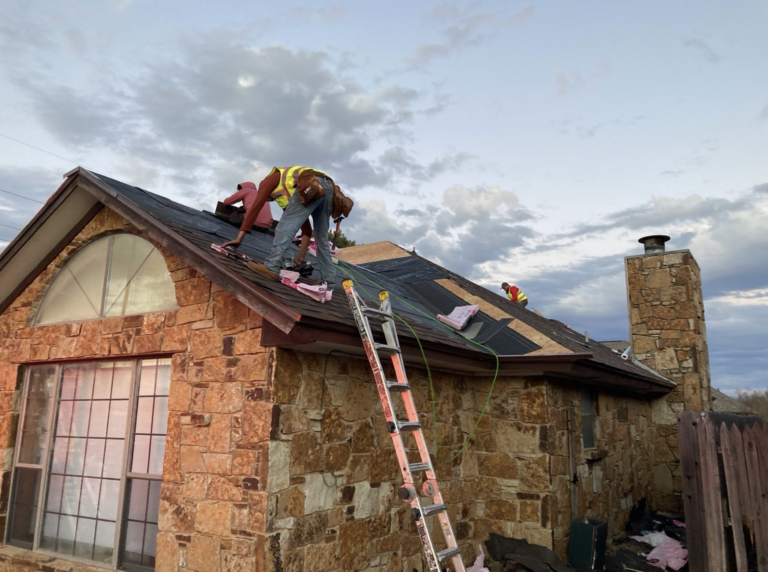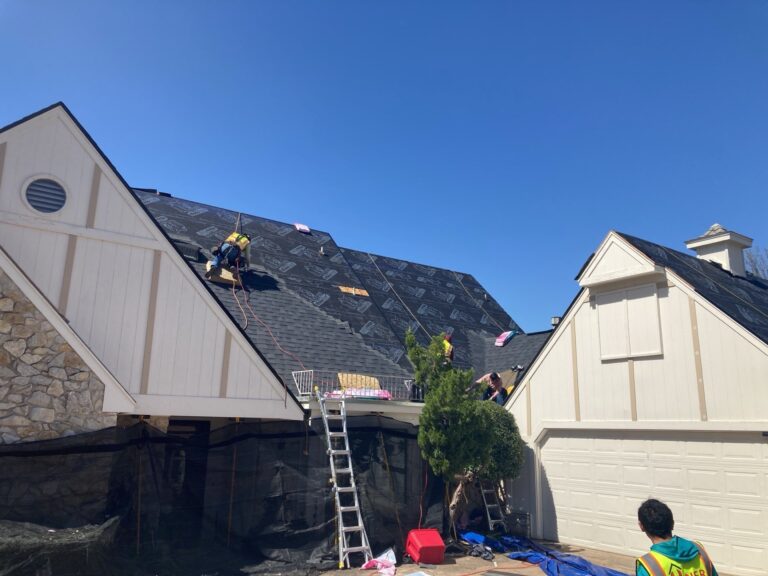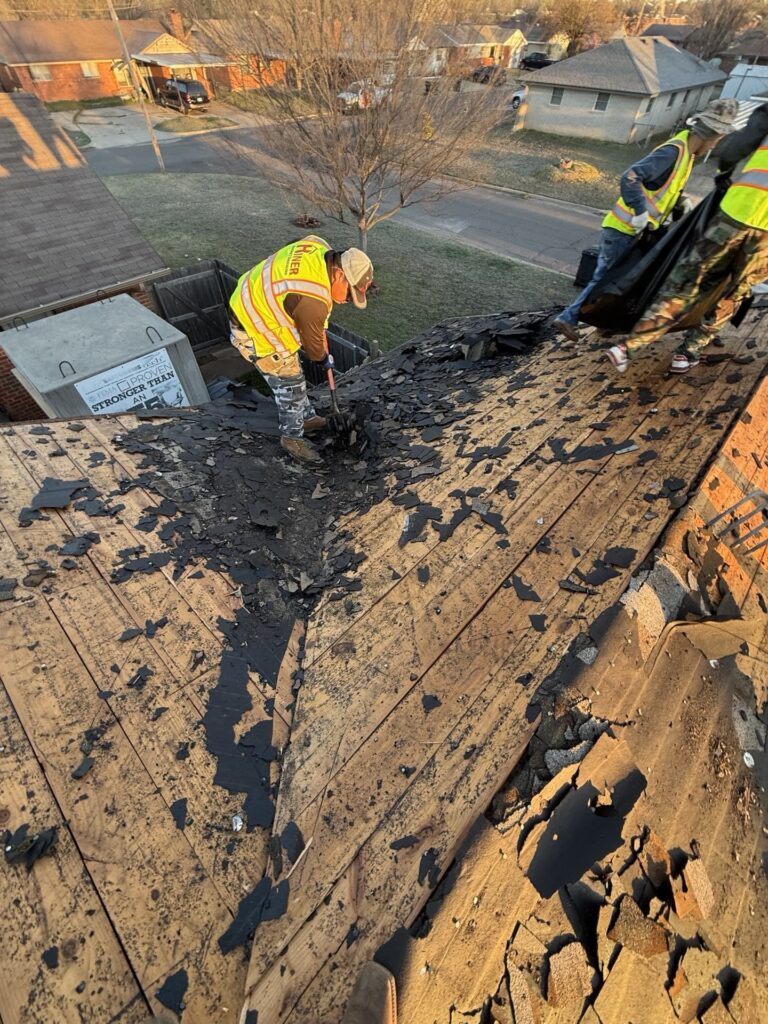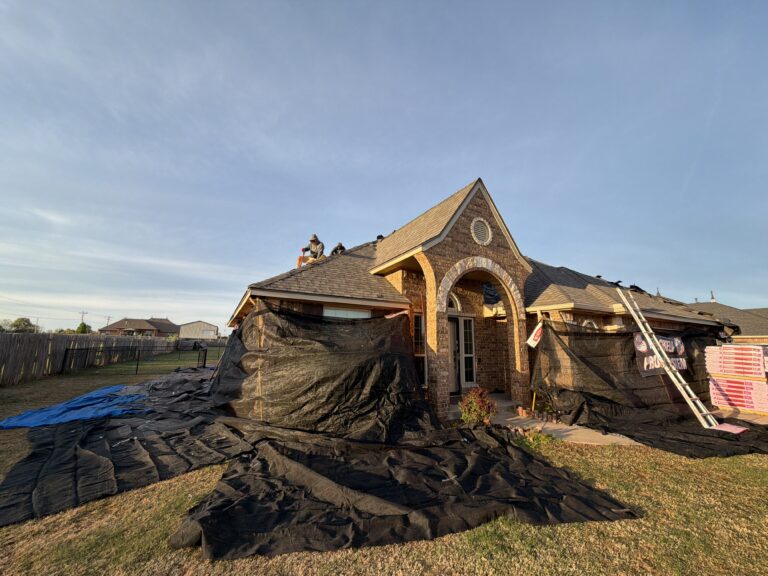
Storm damage is often invisible from ground level, which makes it easy to miss something that will quietly develop into a more expensive repair. This guide walks you through what to look for inside and outside your home after severe weather, so you can spot problems early.
- Roofs are designed to look intact even when they have sustained meaningful damage from a storm.
- Key things to check outside include shingle condition, flashing, and granule buildup in gutters.
- Interior warning signs such as ceiling stains and musty odors often appear before visible exterior damage does.
- A thorough post-storm walkthrough of your property, inside and out, can catch problems before they grow.
- A professional roof inspection is a good idea after any storm involving hail, high winds, or falling debris.
After a significant storm, most homeowners step outside, look up at the roof, and feel reassured when nothing looks obviously wrong. The challenge is that roofs are designed to look intact even when they are not.
Table of Contents
ToggleWhat You Can Check From the Ground
You do not need to climb a ladder to pick up on meaningful warning signs. After any significant weather event in Oklahoma City, Norman, Moore, Edmond, Yukon, or surrounding communities, a walk around the perimeter of your home is a useful first step. Look for:
- Lifted, curled, or missing shingles: Even a single absent shingle creates a potential entry point for water.
- Dark or discolored patches: Hail can dislodge the protective granules from shingles, leaving smoother sections that are more vulnerable to UV damage and moisture.
- Damaged flashing: Bent, cracked, or lifted metal flashing around chimneys, skylights, or roof edges can allow water to work its way in gradually.
What Your Gutters and Yard Can Tell You
Your gutters are one of the more reliable indicators of roof condition after a storm, yet they are easy to overlook. Once it is safe to do so, run a gloved hand through the gutter channel. A significant amount of dark, gritty material is shingle granule loss, a sign of hail impact or accelerated shingle deterioration even when the roof looks whole from street level.
A look around your yard is also worthwhile. Scattered shingle fragments, broken flashing pieces, or roofing material in the grass confirm that the storm was forceful enough to physically dislodge parts of your system. Finding debris like this is a good prompt to schedule a storm damage inspection and get a clear picture of where things stand before any small issues have a chance to develop further.
Warning Signs to Watch for Inside Your Home
Storm damage does not always show on the exterior first, particularly when the breach is small. After significant weather, it is worth taking a slow walk through every room and looking up at the ceilings.
- Water stains or brown rings: These are a reliable sign that moisture has entered the roof structure and made its way downward. Even a faint or old-looking stain is worth having assessed, as active moisture damage can look subtle early on.
- Daylight through the attic decking: If you can safely access your attic, any visible light through the boards means there is an opening that needs attention.
- Damp insulation or mold in the attic: Both indicate that moisture has been entering the space, potentially for longer than you realize.
- Musty odors on upper floors: A persistent smell in your attic or upper rooms, even without visible staining, often points to moisture having taken hold somewhere above.
Your Post-Storm Walkthrough Checklist
Use this checklist after any significant storm to cover the key areas before calling a professional:
- Walk the full perimeter of your home and look at the roofline from several angles.
- Check gutters and downspouts for granule buildup, denting, or debris.
- Look around the yard for shingle fragments, flashing pieces, or other displaced roofing material.
- Walk through every room inside and check ceilings for stains or discoloration.
- Check the attic for daylight, damp insulation, or any unusual odors.
- Note the date and severity of the storm for your records.
- Photograph anything that looks suspicious before conditions change or cleanup starts.
When to Bring in a Professional
A professional roof inspection is a good idea after any storm that brought hail, winds above 50 mph, or falling debris. You do not need to spot visible damage first to make the call worthwhile. In fact, the situations where everything looks fine from the street while structural damage develops underneath are often the ones that end up being most costly.
A qualified roofing contractor can safely access the roof, identify what is not visible from ground level, and produce a written report you can submit to your insurance company if needed. Timing matters here because most homeowners policies have a window for reporting storm damage, and acting within that window protects your ability to file a claim.
Whether you are in Bethany, Mustang, Choctaw, Midwest City, Newcastle, or anywhere across the OKC metro, a professional inspection gives you clarity and protects you from an expensive surprise later. Reach out to Hiner Roofing to schedule yours.
Frequently Asked Questions
Q1. How can I check for storm damage without getting on my roof?
Walk around the perimeter and look for lifted, curled, or missing shingles, discolored patches, and bent flashing. Check your gutters for granule buildup and the yard for displaced roofing materials. Inside, look for ceiling stains and check the attic for moisture or daylight. These checks cover a lot of ground without requiring you to climb onto the roof.
Q2. What does granule buildup in my gutters mean?
It indicates that the protective coating on your asphalt shingles has been disturbed, typically from hail impact or significant weathering. Once granules are lost, the asphalt underneath is exposed to UV damage and moisture, which accelerates deterioration and increases the likelihood of leaks developing.
Q3. Can ceiling stains indicate storm damage to my roof?
Yes. Water stains on interior ceilings are a sign that moisture has entered the roof structure and worked its way downward. Even faint or seemingly old stains can point to active moisture issues. Having a professional check the source is worthwhile rather than assuming it is harmless.
Q4. When should I schedule a professional inspection after a storm?
After any storm involving hail of any size, winds above 50 mph, or falling debris. You do not need to see obvious damage first. Many serious roof issues are not visible from the ground, and scheduling an inspection promptly keeps you within your insurance policy’s reporting window.