

Table of Contents
ToggleQuick Answer
In Oklahoma, the age of your roof is only part of the equation. Severe hail, high winds, and repeated storms can significantly shorten a roof’s lifespan. We’ve replaced Oklahoma roofs that were only 5–10 years old because the damage was severe enough that repairs were no longer practical. Patchwork repairs may solve the problem temporarily, but a complete roof replacement eliminates it for good.
If you’re noticing more than one of the signs below, book a free inspection before the next rain or storm rolls through by calling (405) 594-8808.
Warning Signs You Need a New Roof
1. Storm Damage
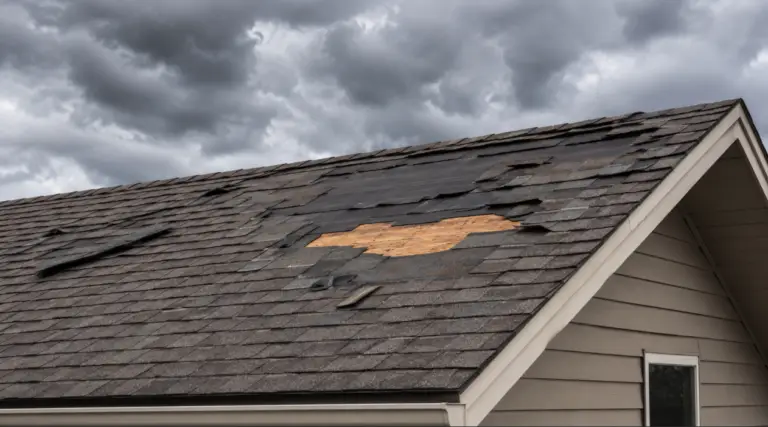
This is where most Oklahoma roof replacements actually start not with age, but with weather. Hail bruises and cracks shingles in ways that aren’t always visible from the ground, and high winds can lift or tear shingles loose even when the roof looks fine at a glance. If your neighborhood has taken a hail or wind hit recently, that’s reason enough to have your roof checked, regardless of how old it is.
2. Missing or Damaged Shingles
Missing shingles, curled edges, or shingles that no longer lay flat are usually visible from the ground. If the damage is limited to one small area on a roof under 15 years old, a repair is often enough. If it’s showing up in multiple areas, that’s a sign the roof as a whole is nearing the end of its useful life.
3. Granule Loss
Check your gutters. If they’re filling up with what looks like coarse sand, that’s the granule coating wearing off your shingles. Once the granules are gone, the shingle underneath is exposed directly to sun and moisture, and it deteriorates much faster from that point on.
4. Interior Leaks and Water Stains
Water stains or spots on the ceiling, especially ones that show up after it rains, mean water is getting in somewhere. A leak that comes back after already being repaired usually means the underlayment has failed, and patching the surface again won’t fix the underlying problem.
5. Daylight in the Attic
Go up during the day with the lights off. If you can see daylight coming through anywhere, there are gaps in the roof deck. This often shows up alongside higher energy bills, since the same gaps are letting conditioned air escape.
6. Roofline Sagging
Step back and look at the roofline from the street. Dips, waves, or uneven spots point to a structural issue underneath, not just a surface problem this typically isn’t something a standard repair can resolve.
7. Age of the Roof
Age matters, but in Oklahoma it’s rarely the deciding factor on its own. Asphalt shingles are generally rated for 20–25 years, architectural shingles for 25–30, and metal roofing for 40–70 years but those numbers assume normal wear, not repeated hailstorms. We’ve seen 8- and 12-year-old roofs that needed full replacement because of storm damage, and 20-year-old roofs still performing fine because they’d been spared major hits.
If you don’t know your roof’s age, you have a few options:
- Check the home inspection report from when you bought the house.
- Many Oklahoma municipalities keep roofing permit history on file.
- A roofer can estimate age from shingle style, granule wear, and manufacturer stamps.
If your roof is over 10 years old in Oklahoma, it’s a good idea to have it professionally inspected every few years and after major hail or wind storms. Many roofs last well beyond that, but severe weather can shorten a roof’s lifespan regardless of age.
If your roof is approaching the end of its expected lifespan, it’s worth planning ahead rather than waiting for an emergency replacement after a leak forces the issue.
8. Moss or Mold Growth
Dark stains or moss on the roof point to trapped moisture. It’s not just a cosmetic issue, it’s a sign the roofing material underneath has already started to break down.
How Often Should Oklahoma Homeowners Have Their Roof Inspected?
We recommend having your roof professionally inspected every 2–3 years, and after every significant hailstorm or wind event. Even newer roofs can sustain hidden hail damage that isn’t visible from the ground, which is why age alone isn’t a reliable signal that everything’s fine. A quick inspection after a storm catches problems while they’re still repairable, before they turn into an interior leak see why regular roof inspections matter for a closer look at what’s at stake if you skip them.
To Repair or to Replace?
Ask yourself these three questions:
Is the damage localized, or spread across a larger area of the roof? Localized damage on a roof under 15 years old is usually repairable. Widespread damage is a stronger sign that replacement is the more practical option.
Has this same spot leaked and been repaired before? A recurring leak in the same location usually means the surrounding materials have already failed. Repeated patching just delays the inevitable rather than solving it.
How does the roof’s age compare to its expected lifespan? A 10-year-old roof with storm damage may be a straightforward repair. The same damage on a roof already near the end of its expected lifespan is more often a case for replacement of older roofs that are generally less cost-effective to repair because the surrounding materials may already be close to failing too. The right call depends on the extent of the damage, the condition of the roof system as a whole, and whether replacement offers better long-term value than another round of patching.
When in doubt, have an experienced Oklahoma roofer inspect it rather than guessing.
Should I Replace My Roof Before It Leaks?
In many cases, yes. By the time water is actually entering the home, the damage has often already reached the decking, insulation, drywall, or attic space which turns a roofing job into a roofing-plus-interior-repair job. Replacing a failing roof before a leak develops usually costs less overall and avoids the secondary damage that comes with water intrusion. If your roof is showing several of the warning signs above, waiting for a leak to “confirm” the problem tends to be the more expensive path.
What’s Involved in a Roof Replacement
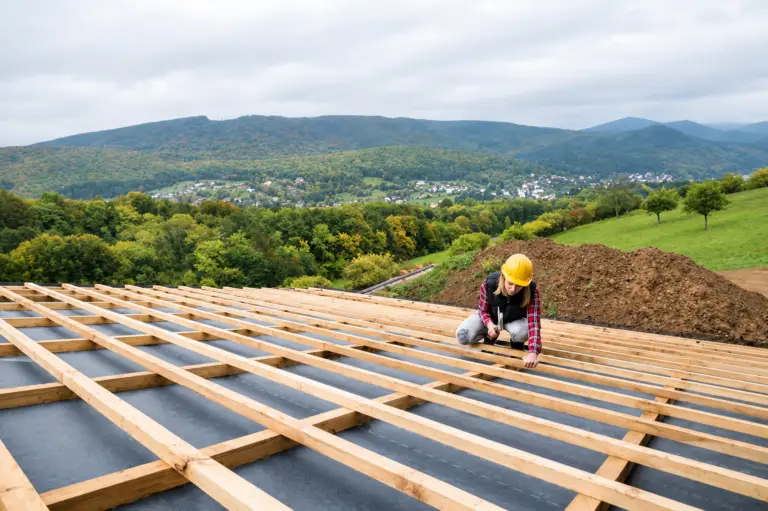
A roof isn’t one layer of shingles, it’s a stacked system, and a real roof replacement rebuilds every layer, not just the part you can see from the street.
Roof Deck The plywood or OSB board base that everything else is attached to. If it’s been compromised by rot, soft spots, or water damage, it needs to be replaced skipping this is one of the most common corner-cutting moves in cheap roof installations.
Underlayment A synthetic or felt layer placed over the roof deck as a backup barrier in case the shingles fail a layer most homeowners don’t even know exists until something goes wrong.
Ice and Water Shield A self-adhering waterproof membrane placed in the areas most prone to leaks: valleys, vents, and chimneys.
Drip Edge A metal strip along the roof’s edges that directs water into the gutters instead of behind the fascia, where it can cause rot.
Shingles The visible top layer, and the one exposed to Oklahoma’s sun, hail, and wind year-round.
Ventilation Ridge vents, attic vents, and fans that move hot, moist air out of the attic space, protecting the roof system from the inside out.
Is Roof Replacement Covered by Insurance?
Usually, yes but with an important distinction. Insurance companies pay for sudden, accidental damage, not normal wear and tear. A 7-year-old roof with hail damage is often covered, while a 25-year-old roof that’s simply worn out from age typically isn’t. That’s part of why age alone isn’t the deciding factor for Oklahoma homeowners a storm-damaged roof and a worn-out roof can look similar but get treated very differently by insurers.
If you’ve had recent storm damage, keep these steps in mind:
- Document all damage with photos before starting any repairs.
- Get an independent inspection in addition to the insurance adjuster’s assessment, so you have a second opinion on the actual scope of damage.
- File your claim promptly most policies have a deadline for filing after a storm event.
We help Oklahoma homeowners navigate this process directly, from documentation through the claim itself.
Are You in Need of a Roof but Can’t Afford It Right Now?
This deserves a real answer, not just “contact us and we’ll figure it out.” Here are the options worth exploring, roughly in the order we’d recommend looking into them.
1. Financing Companies
Most roofing contractors, including Hiner, offer financing that spreads the cost into payments instead of one lump sum.
- Terms typically run 12–60 months, depending on the lender.
- Some plans include a 0% introductory period before interest kicks in.
- A credit check is usually required, though requirements vary by provider.
We can help determine whether insurance may cover part or all of the replacement before financing becomes necessary.
2. Government Funding & Grants
Several federal and state programs cover home repairs, including roofing:
- HUD Title I Property Improvement Loans — government-insured loans for home improvements, including roofing.
- USDA Section 504 Home Repair Program — grants and low-interest loans for low-income and rural homeowners, applicable to roofs that pose a safety hazard.
- Weatherization Assistance Program — a state-administered program that can support roof repairs as part of broader home efficiency work.
- FEMA Disaster Assistance — worth checking if the damage occurred during a federally declared disaster.
3. Personal Loans and Home Equity
If you have equity in your home, this route often comes with lower interest than standard financing:
- Home Equity Loans / HELOCs — borrow against your home’s equity at rates generally lower than unsecured credit.
- Personal Loans — no collateral required and faster approval, but typically higher interest rates than home equity options.
4. Community and Nonprofit Programs
Easy to overlook, but worth checking:
- Habitat for Humanity’s Home Repair Program — local chapters assist eligible homeowners with repair needs.
- Local community action agencies — Oklahoma has agencies that assist low-income and elderly homeowners with home repairs.
- Churches and community funds — some local organizations help cover repair costs, particularly for elderly or disabled residents.
5. Protecting the Roof in the Meantime
If you need time to arrange financing before a full replacement, don’t leave existing damage exposed.
- Tarping prevents a small problem from becoming a much bigger one.
- Photograph the damage now, even if you haven’t decided whether to file a claim yet.
- Leaving damage unaddressed usually costs more in the long run — what starts as a shingle issue can turn into full deck reconstruction if water keeps getting underneath.
Ask about all of these options during your free assessment.
Frequently Asked Questions
How can I find out my roof’s age if I don’t have records?
A roofer can estimate it from the shingle style, granule wear, and manufacturer stamps, even without permit history on file.
Can repairs fix an interior leak?
Sometimes, if it’s a new leak. But if the same spot leaks again after being repaired, the underlayment has likely failed, and another patch won’t solve it.
How long does a roof replacement usually take?
Most homes take 1–3 days, depending on the roof’s size, material, and the weather at the time.
Will my insurance rates go up after filing a claim?
It depends on your insurer and claims history. Your agent can give you a direct answer, since policies vary from company to company.
Free Roof Inspection
If you’re seeing any of these signs, there’s no reason to wait for a major leak to force the issue. Hiner Roofing offers a free roof inspection complete with photo documentation and an honest quote no upselling.
Call (405) 594-8808 or go online to request your Free Honest Documented Roof Inspection™.