Replacing a roof is a significant investment and a major home improvement project. In Oklahoma City, where weather conditions can be extreme, ensuring your roof is in optimal condition is crucial for protecting your home and maintaining its value. This blog post will provide an in-depth look at roof replacement in Oklahoma City, covering the reasons for replacement, the process, choosing the right materials, and tips for finding a reliable contractor.
Why Roof Replacement is Necessary
There are several reasons why you might need to replace your roof:
- Age of the Roof: Most roofing materials have a lifespan of 20-25 years. If your roof is approaching or exceeding this age, it’s time to consider replacement.
- Storm Damage: Oklahoma City experiences severe weather, including thunderstorms, hail, and tornadoes, which can cause significant damage to roofs. Extensive damage from storms may necessitate a complete roof replacement.
- Frequent Repairs: If you find yourself constantly repairing your roof, it might be more cost-effective to replace it. Frequent repairs can indicate underlying issues that a simple fix cannot resolve.
- Water Damage and Leaks: Persistent leaks and water damage inside your home are signs that your roof may need to be replaced. Water intrusion can cause mold and mildew, compromising your home’s structural integrity and your family’s health.
- Energy Efficiency: An old or damaged roof can negatively impact your home’s energy efficiency. A new roof can improve insulation and reduce heating and cooling costs.
The Roof Replacement Process
Replacing a roof involves several steps, each crucial to ensuring a successful project:
- Inspection and Assessment: A professional roofing contractor will inspect your roof to assess its condition and determine the extent of damage or wear.
- Estimate and Planning: Once the assessment is complete, the contractor will provide an estimate for the replacement. This includes the cost of materials, labor, and any additional work required, such as repairing the underlying structure.
- Choosing Materials: Selecting the right materials for your new roof is essential. Consider factors like durability, cost, and aesthetic appeal. Common roofing materials in Oklahoma City include asphalt shingles, metal roofing, and tile.
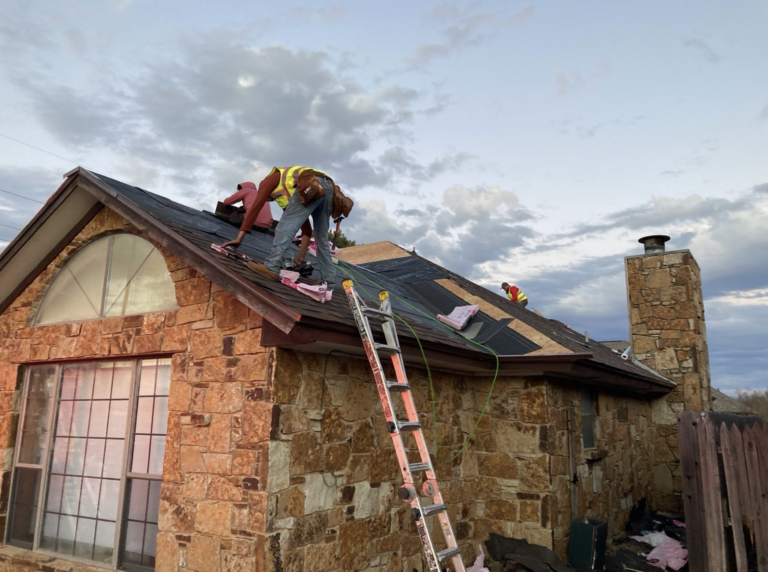
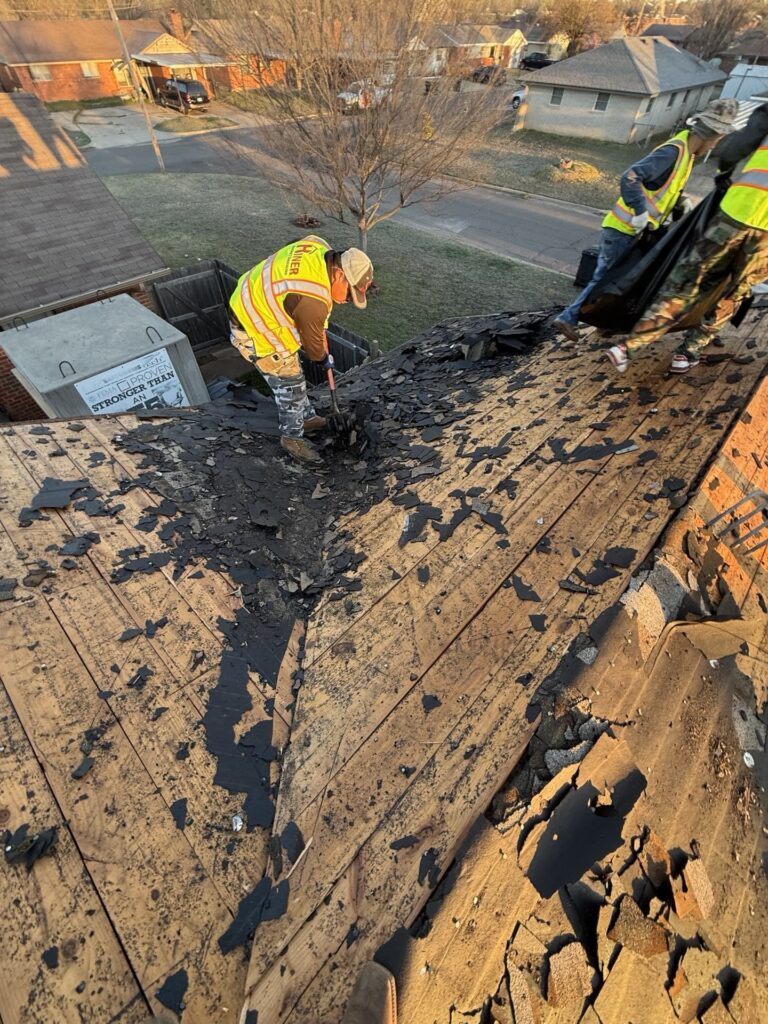
- Removal of Old Roof: The existing roof is removed to inspect the decking and identify any underlying damage that needs repair before installing the new roof.
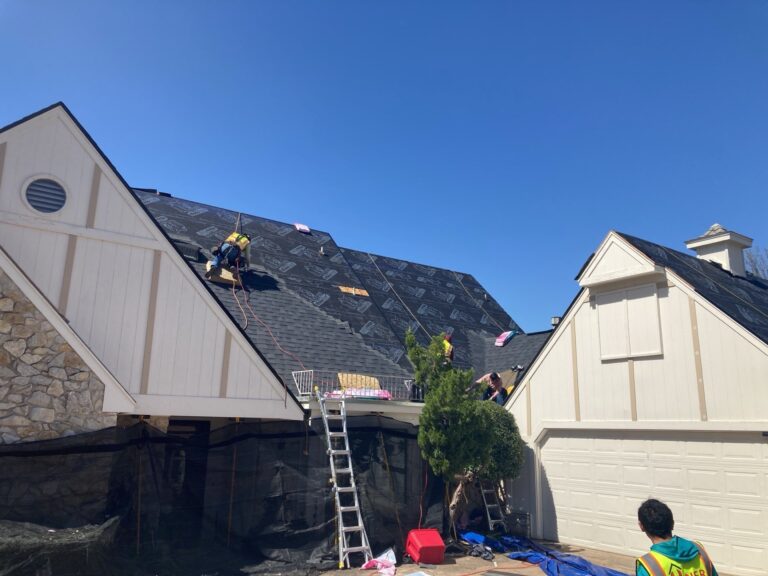
- Repair and Preparation: Any necessary repairs to the roof deck are made, and the surface is prepared for the new roofing materials. This may include adding underlayment for extra protection against water intrusion.
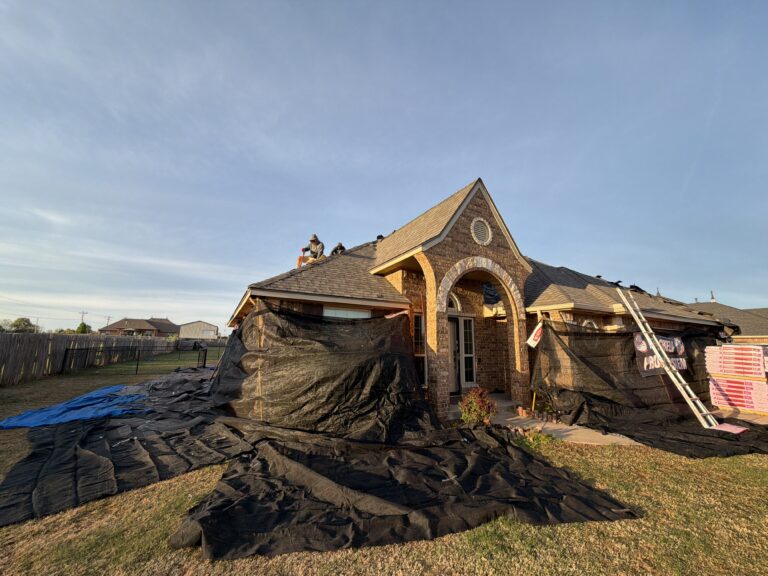
- Installation of New Roof: The new roofing materials are installed according to manufacturer guidelines and local building codes. Proper installation is critical for ensuring the longevity and performance of the new roof.
- Final Inspection: Once the installation is complete, a final inspection is conducted to ensure everything is done correctly and meets quality standards.
Choosing the Right Roofing Materials
The choice of roofing materials is crucial for the performance and longevity of your new roof. Here are some popular options:
- Asphalt Shingles: The most common roofing material, asphalt shingles are cost-effective, durable, and come in various colors and styles.
- Metal Roofing: Known for its longevity and resistance to extreme weather, metal roofing is an excellent choice for Oklahoma City’s climate. It’s also energy-efficient and environmentally friendly.
- Tile Roofing: Tile roofs are durable and provide a distinctive aesthetic appeal. They are resistant to fire and harsh weather but are heavier and may require additional structural support.
- Wood Shingles and Shakes: Wood provides a natural look and good insulation but requires more maintenance and is less fire-resistant.
Finding a Reliable Roofing Contractor
Choosing the right contractor is essential for a successful roof replacement. Here are some tips for finding a reliable roofing contractor in Oklahoma City:
- Research and Recommendations: Start by researching local contractors and asking for recommendations from friends, family, and neighbors.
- Check Credentials: Ensure the contractor is licensed, insured, and bonded. Check for certifications from roofing material manufacturers.
- Read Reviews: Look for online reviews and ratings to gauge the contractor’s reputation and customer satisfaction.
- Get Multiple Quotes: Obtain quotes from several contractors to compare prices and services. Be wary of significantly low bids, as they may indicate subpar materials or workmanship.
- Ask for References: A reputable contractor should provide references from previous clients. Contact these references to inquire about their experience with the contractor.
Ready to choose a contractor? Learn how Hiner Roofing approaches roof replacement in OKC.
Conclusion
Roof replacement is a significant investment that can enhance the safety, comfort, and value of your home. In Oklahoma City, where the weather can be unpredictable and harsh, having a reliable, well-maintained roof is essential. By understanding the reasons for roof replacement, the process involved, choosing the right materials, and finding a trustworthy contractor, you can ensure a successful roofing project that will protect your home for years to come. Remember, a well-installed roof is not just a protective barrier; it’s an investment in your home’s future.
Frequently Asked Questions (FAQ)
Q1: How do I know if I actually need a full replacement or just a repair?
This is probably the question we hear most often, and honestly it’s a fair one because nobody wants to spend more than they have to. Here’s the thing though — if your roof is already pushing 20 years or you’ve had the same guy out three times in the last two years patching different spots, you’re likely throwing good money after bad. Repairs are great when the damage is small and the rest of the roof is still doing its job. But when problems keep coming back, that’s usually your roof telling you it’s done. A trustworthy contractor will be upfront with you about which option actually makes more sense for your situation rather than just pushing the bigger job.
Q2: How long is a roof replacement actually going to take?
For most homes in Oklahoma City, you’re looking at one to two days from start to finish. It sounds fast but experienced crews move quickly once they get going. Now if your home is on the larger side or the roof has a more complex shape with lots of angles and valleys, it might stretch into a third day. Weather is the wildcard here — no reputable roofer is going to install in the middle of rain. Before work starts, just ask your contractor for a realistic timeline so you’re not left wondering what’s happening.
Q3: What roofing material actually holds up best in Oklahoma City?
Given what Oklahoma City weather throws at homes every year, this really matters. Architectural asphalt shingles are what most homeowners go with and for good reason — they strike the right balance between cost, durability, and wind resistance. If you want something that goes the extra mile, impact-resistant shingles are worth every penny in a city that sees hail as often as this one does. Metal roofing costs more upfront but it handles extreme weather like a champ and lasts significantly longer. Talk through your budget and long-term plans with your contractor and they’ll help you land on the right fit.
Q4: Will my insurance actually pay for a roof replacement?
If a storm or hail event caused the damage, there’s a genuinely good chance your homeowner’s insurance covers a meaningful portion of the cost. What insurance typically won’t cover is a roof that simply aged out — normal wear and tear is usually on you. The key is acting quickly after a storm. Take photos, get a professional inspection with a written report, and file your claim without too much delay. The documentation makes a real difference when the adjuster comes out, and a good local roofer will know exactly how to help you through that process.
Q5: How much should I expect to pay for a roof replacement in Oklahoma City?
There’s no single answer here because it depends on your roof size, the materials you pick, and how complicated the job is. That said, most homeowners replacing a standard asphalt shingle roof on an average-sized home are looking somewhere in the $8,000 to $15,000 range. Premium materials like metal or high-grade impact-resistant shingles will push that number higher. The best thing you can do is get at least three written quotes and make sure each one clearly breaks down what you’re paying for in materials versus labor. If one bid comes in dramatically lower than the others, that’s usually a red flag worth paying attention to.
Q6: How long should my new roof actually last?
A quality asphalt shingle roof installed properly should give you somewhere between 20 and 30 years depending on the grade of shingle you chose. Metal roofing can push well past 40 or even 50 years with minimal issues. But here’s the part people often overlook — how long your roof lasts has a lot to do with what happens after installation. Getting it inspected once a year, cleaning your gutters, and dealing with minor issues before they grow is what separates a roof that hits its full lifespan from one that falls short. Think of it like a car. Even a great one needs a little maintenance to keep running the way it should.