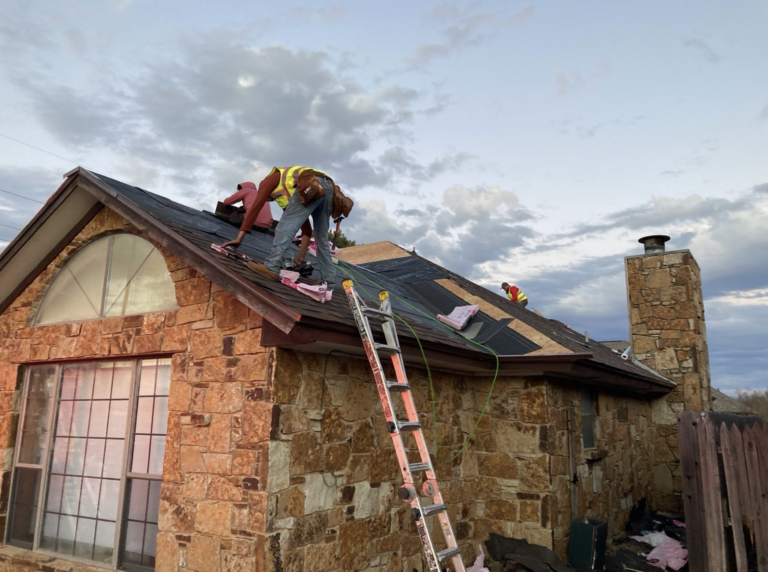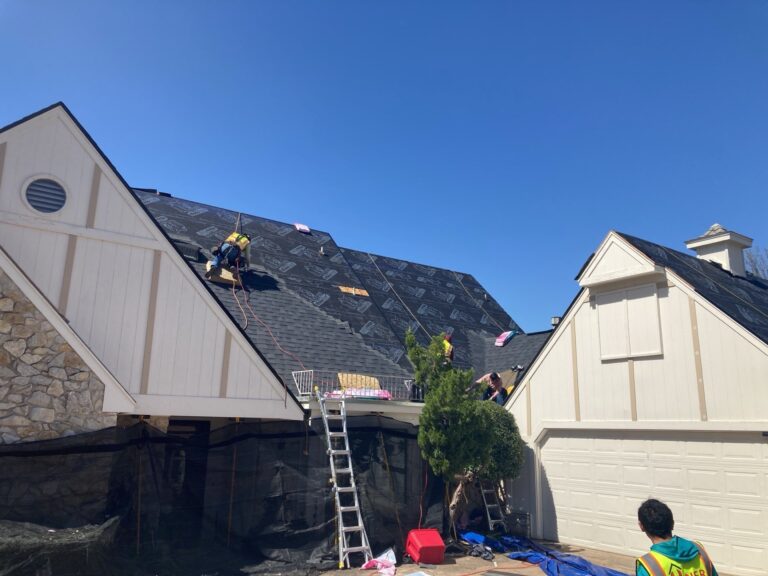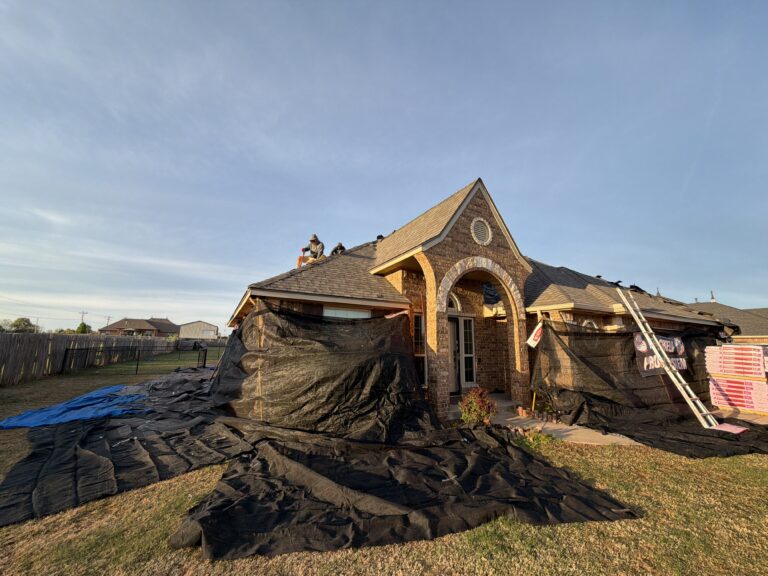
To compare roof replacement estimates in OKC fairly, homeowners should review the roof measurements, materials, included roofing services, added-work charges, warranties, permits, and payment terms before comparing the final prices.
Two roofing contractors can provide very different estimates for the same Oklahoma City home. One proposal may include work that another excludes. Differences in shingles, underlayment, flashing, ventilation, installation methods, warranties, and labor can all affect the final price.
When planning roof replacement in Oklahoma City, place the written proposals side by side. Mark anything unclear as “not stated” and ask the contractor to explain it in writing. A lower bid may be a good option once you understand exactly what is included.
Why Are Roofing Estimates Different in Oklahoma City?
Roofing prices can vary from one home to another, even when homeowners are looking for similar roofing work. In OKC, hail, strong winds, extreme heat, and storms can affect roofs in different ways. The type and amount of storm damage can also affect the cost of a roof replacement.
Two contractors may provide different roofing estimates for the same home because their proposals may include different items. Material choices, such as shingles, underlayment, and ventilation products, can affect the total cost. Labor quality and installation methods can also make a difference.
The roof’s condition is another important factor. A detailed inspection may find hail or wind damage that is not visible from the ground. Homeowners may also need to consider insurance claims and supplements when storm damage is involved.
Permit requirements can affect roofing costs as well. Requirements for permits and inspections can vary between cities across the Oklahoma City Metro, including Edmond, Yukon, and Nichols Hills.
Because of these factors, homeowners should not compare roofing estimates by price alone. Compare the materials, scope of work, installation methods, permits, inspections, and other included items to understand why the estimates are different.
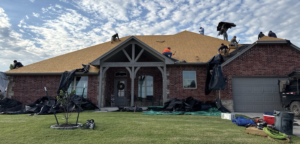
Step 1: Check the Roof Measurements and Removal Work
Start by confirming that both roofing estimates cover the same roof sections. Does each proposal include the main house, attached garage, porch, and any separate structures you want replaced?
Roof size, slope, complexity, existing layers, materials, and access can affect the cost. A steep roof with several valleys and roof openings may require different labor and materials than a simple roof of similar size.
Do not compare your home’s living area directly with the roof area. A roofing system includes slopes, overhangs, valleys, and sections that may not match the home’s floor plan.
Some estimates use roofing squares. One square equals 100 square feet of roof area. Ask whether the listed quantity represents measured roof area or the materials being ordered. Additional shingles may be included for cuts and waste, which does not necessarily mean the contractor measured a larger roof.
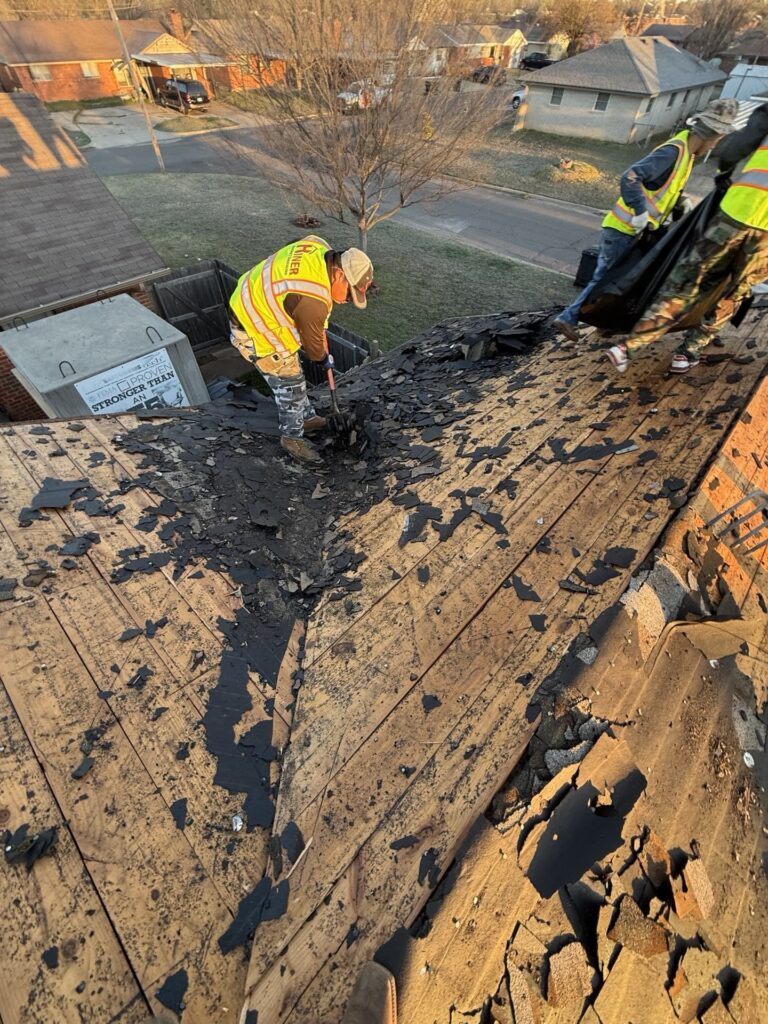
Also ask whether the estimate includes tear-off and removal of the existing roofing and how many layers are included. If contractors recommend different removal methods, ask them to explain why before comparing the totals.
For broader pricing context, read Hiner Roofing’s Oklahoma roof replacement cost guide. Your written roofing estimate should still reflect the actual condition and measurements of your roof.
Step 2: Identify the Materials and Roofing Services Included
“Architectural shingles” describes a product category. It does not identify the manufacturer, product line, or warranty.
Check the exact shingle brand and product listed in each estimate. If one contractor includes an impact-resistant shingle and another does not, ask both to price comparable materials if you want a fair comparison.
Then look beyond the shingles. Ask each roofing contractor to identify:
- Underlayment: The protective layer installed beneath the shingles.
- Starter and ridge products: Materials used along roof edges, hips, and ridges.
- Flashing and pipe boots: Components around walls, chimneys, pipes, and other openings.
- Drip edge and valley protection: The proposed treatment for roof edges and valleys.
- Ventilation: What will remain, what will change, and why.
- Protective membranes: Where they will be installed if required or proposed.
- Decking: What is included and how additional decking work will be charged.
Ask which existing components will be replaced and which will be reused. The proposal should explain how the installation will meet applicable code requirements and manufacturer installation requirements.
Not every roof needs identical work. A useful question is:
“What roofing services and materials are included in this price, and what is excluded?”
Step 3: Compare the Written Roofing Estimates Line by Line
Copy the details from each estimate into a comparison table. Use “not stated” whenever a proposal does not answer a question.
| Item | Estimate A | Estimate B | Question to Resolve |
| Roof area and sections | — | — | Are both covering the same structures and roof sections? |
| Tear-off | — | — | How many existing layers will be removed? |
| Shingle product | — | — | What manufacturer and product line are included? |
| Supporting components | — | — | What underlayment, starter, ridge, and edge products are specified? |
| Flashing and openings | — | — | What will be replaced or reused? |
| Ventilation | — | — | What changes are included, and why? |
| Decking | — | — | What is included, and how is additional work charged? |
| Permits and inspections | — | — | Who handles them, and is the cost included? |
| Property protection and cleanup | — | — | How will the property be protected and debris removed? |
| Warranties | — | — | What coverage and written terms are included? |
| Schedule and payment | — | — | When will work begin, and when are payments due? |
| Exclusions and quote validity | — | — | What is excluded, and when does the offer expire? |
A contractor may bundle several items into one price. That is not automatically a problem. The important thing is having enough written detail to understand the scope of work.
Step 4: Understand How Hidden Decking Damage Is Handled
Roof decking is the wood surface beneath the roofing materials. Some damage may be visible during an inspection, while other conditions may become clear only after the existing roof is removed.
Ask:
“If you find damaged decking, how will you document it, price the work, and obtain my approval?”
A useful roofing estimate should state:
- Any decking quantity or allowance included in the base price.
- The charge per sheet, square foot, or other stated unit for additional work.
- Whether the charge includes materials, labor, and disposal.
- How changes will be documented and approved.
For example, “decking extra if needed” leaves important questions unanswered. A stated rate and approval process provide a clearer basis for roof estimate comparison.
If the roof uses boards rather than sheet decking, ask how those costs will be calculated. Review other allowances and exclusions with the same level of care.

Step 5: Verify Permits, Contractor Registration, and Warranties
Confirm Oklahoma City Permit Requirements
Oklahoma City introduced its reroofing permit requirement on August 1, 2025. For existing single-family homes and duplexes within city limits, reroofing work exceeding 500 square feet requires a permit.
Ask who will obtain the permit, whether the fee is included, and who will arrange required inspections. An Oklahoma City mailing address alone does not establish which municipality regulates the property.
Check the City of Oklahoma City’s permit guidance for your project.
Check the Contractor’s Current Status
Use the Oklahoma Construction Industries Board contractor search to check active roofing registration. Confirm that the business and registration information match the proposal.
Ask for current liability insurance documentation and an explanation of workers’ compensation coverage or applicable exemptions.
As of September 2026, active roofing registration remains the key check. The CIB states that the new Residential Roofing Endorsement becomes mandatory January 1, 2028. Verify the requirements that apply when your project begins.
Also review recent customer feedback and ask who will supervise the roofing installation and handle questions after the project.
Compare Warranty Coverage, Not Just Warranty Length
A manufacturer product warranty and a contractor workmanship warranty address different risks. Some enhanced manufacturer warranties may also include workmanship coverage, subject to their terms.
Ask what each warranty covers, its exclusions, whether coverage becomes prorated, and whether labor or removal costs are included.
Confirm any registration requirements and who handles them.
A long warranty headline is not enough. Request the actual warranty documents and understand whom to contact if a problem develops.
Step 6: Compare the Price After Resolving the Differences
The lowest roofing estimate is not automatically a poor choice. The highest estimate is not automatically the best.
Once the measurements, materials, roofing services, installation details, and payment terms are clear, ask what explains the remaining price difference.
Consider:
- Contractor experience
- Workmanship
- Communication
- Installation methods
- Warranty support
- Materials
- Included roofing services
- Permit responsibility
- Additional work charges
For example, Estimate A may total $10,000 but exclude permit costs and provide no decking rate. Estimate B may total $10,800 and include the permit and a stated decking allowance.
You cannot automatically conclude that Estimate A saves $800. Ask the contractor to clarify those charges and compare the revised proposals.
Before signing, confirm the payment schedule, quote expiration date, expected start date, and process for approving changes. If financing is involved, compare the financing terms separately from the roof price.
If an Insurance Claim Is Involved
When insurance claims are involved, compare the contractor’s proposed work with the insurer’s scope of loss.
Ask the contractor to explain differences and provide supporting documentation where appropriate.
Your roofing estimate does not establish insurance coverage or guarantee payment. Ask your insurer how your deductible, depreciation, policy terms, and requested additional work may affect your claim and out-of-pocket cost.
Understanding the difference between Actual Cash Value (ACV) and Replacement Cost Value (RCV) can also help homeowners understand how an insurance claim may affect payments.
Common Mistakes When Comparing Roofing Estimates
Choosing by Total Alone
First confirm the materials, roofing services, and work behind each price.
Assuming Missing Details Are Included
Get unclear items added to the written proposal.
Comparing Different Products as Equal
Request matching material options where practical.
Ignoring Extra-Work Charges
Understand the decking rate and approval process before tear-off.
Relying on Verbal Promises
Make sure agreed changes appear in the documents you sign.
Ignoring Permit Responsibility
Confirm whether permits and required inspections are included and who is responsible for arranging them.
Frequently Asked Questions
Why Are My Roof Replacement Estimates So Different?
Differences can come from roof measurements, roof complexity, existing layers, materials, labor, included work, permit requirements, decking allowances, and warranty options.
Ask each roofing contractor to explain the differences instead of assuming the lower bid is missing work.
How Many Roofing Estimates Should I Get?
Two or three detailed written proposals can provide a useful comparison. The goal is to have enough information to understand your options. Several vague totals will not help you make a confident decision.
Can I Compare Estimates Using Price Per Square?
Only as a rough check when both contractors use the same measurement basis and comparable scopes of work.
Different materials, tear-off requirements, roof access, labor, and allowances can make price per square misleading.
Can the Price Change After Work Begins?
Additional work may be needed if hidden conditions are discovered. Before signing, agree on how findings, prices, and approvals will be documented.
The contract should explain how changes are handled.
Should Flashing and Ventilation Always Be Replaced?
Not automatically. Ask the contractor to explain what can remain, what needs replacement or improvement, and how the proposed work meets applicable requirements.
What to Look for in a Roofing Estimate
A good roofing estimate should give you enough information to understand what you are paying for before work begins. Look for clear roof measurements, specific materials, included roofing services, tear-off details, decking charges, permit responsibility, installation methods, cleanup, warranties, payment terms, and exclusions.
If an estimate leaves important items unclear, ask the contractor to explain them and add the information to the written proposal. Comparing complete scopes of work is more useful than simply comparing the final price.
Get a Written Roofing Estimate You Can Compare
Need another proposal for roof replacement in Oklahoma City?
Hiner Roofing’s Oklahoma City roofing page explains its documented inspection and written-scope approach.
Schedule a roof inspection and ask for the proposed materials, included roofing services, exclusions, decking charges, permit responsibility, and warranty terms in writing.