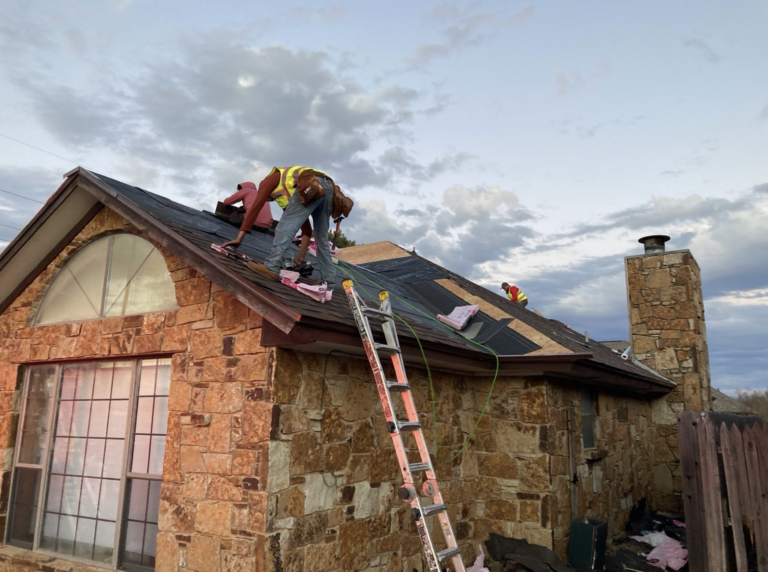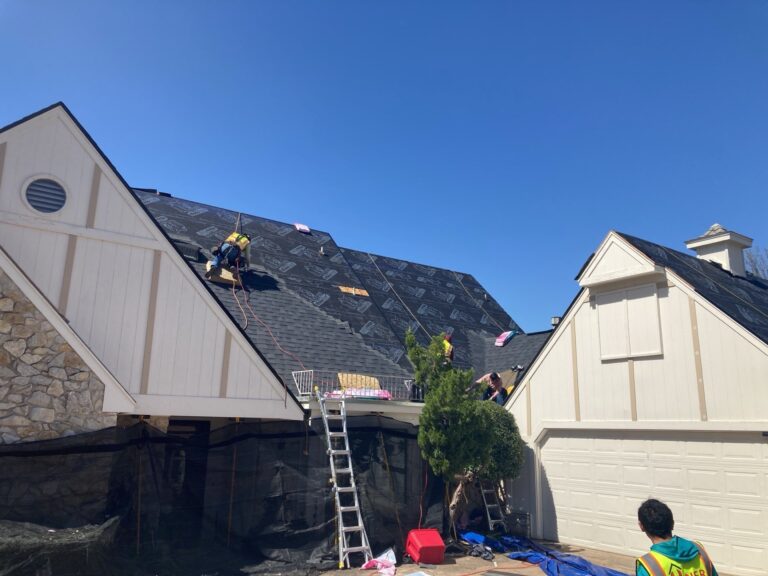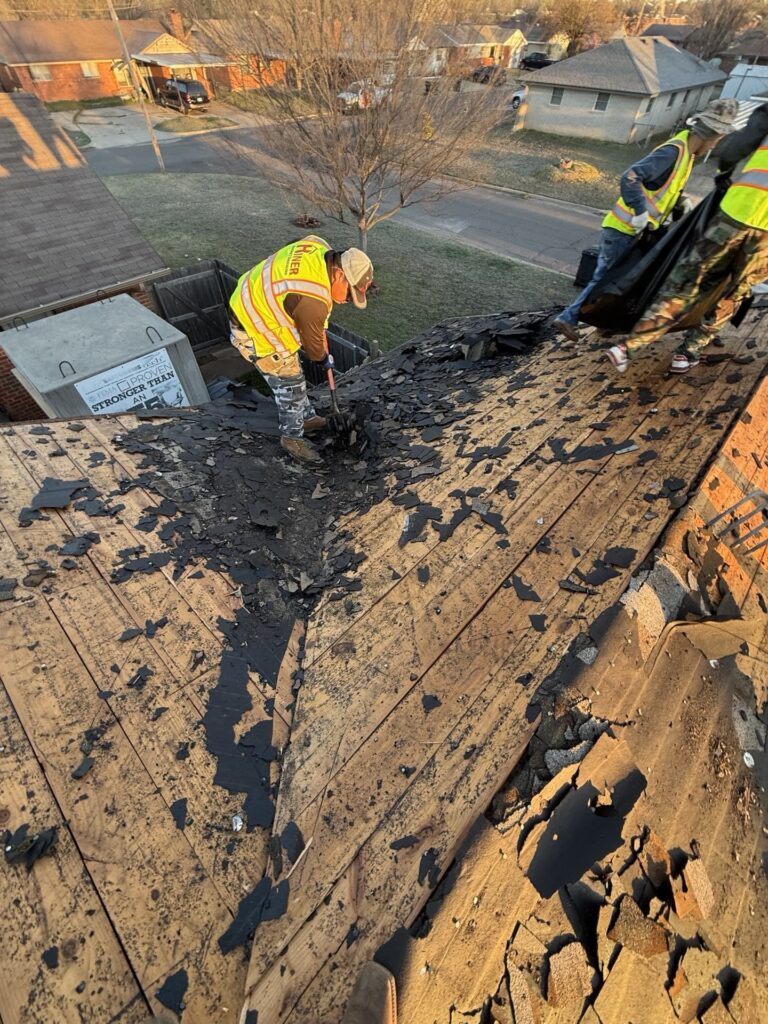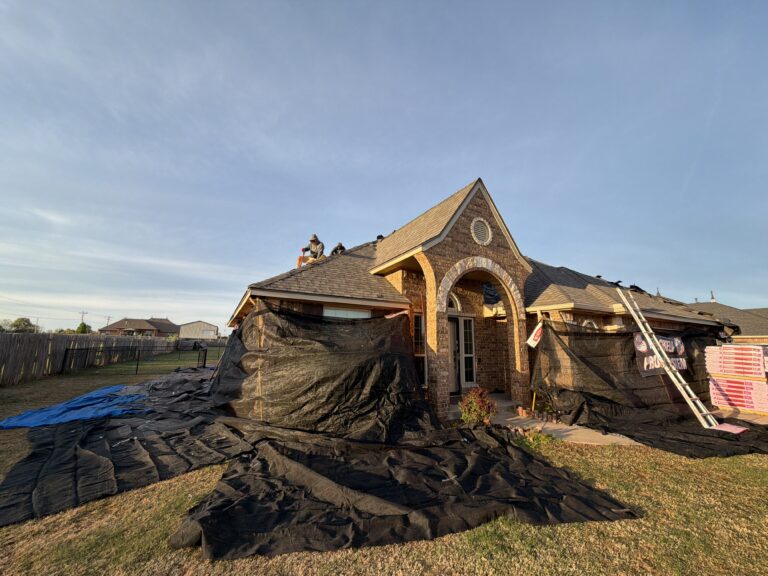
Roofing inspections are a crucial aspect of home maintenance, especially in a city like Oklahoma City where the weather can be extreme and unpredictable. Regular inspections can help identify potential issues early, saving homeowners from costly repairs and ensuring their roofs remain in top condition. This blog post will delve into the importance of roofing inspections in Oklahoma City, what to expect during an inspection, common problems found, and tips for choosing a reliable roofing inspector.
Why Roofing Inspections are Essential
- Weather Conditions: Oklahoma City is known for its severe weather, including thunderstorms, hail, high winds, and even tornadoes. These conditions can cause significant wear and tear on roofs. Regular inspections help detect damage caused by these elements before they escalate into major problems.
- Preventative Maintenance: Identifying and addressing minor issues early can prevent them from developing into larger, more expensive problems. Regular inspections can extend the lifespan of your roof by ensuring it remains in good condition.
- Energy Efficiency: A well-maintained roof contributes to the overall energy efficiency of your home. Inspections can identify areas where insulation or ventilation may be improved, helping to reduce heating and cooling costs.
- Property Value: Regular roof inspections and maintenance can enhance the value of your property. A well-maintained roof is a key selling point for potential buyers, providing them with peace of mind that the home is protected.
What to Expect During a Roofing Inspection
A thorough roofing inspection typically includes the following steps:
- Exterior Inspection: The inspector will examine the roof’s exterior for visible signs of damage, such as missing or damaged shingles, cracks, or moss growth. They will also check for signs of wear and tear around chimneys, vents, and skylights.
- Interior Inspection: The inspector will check the attic for signs of leaks, water damage, or mold growth. They will also assess the insulation and ventilation to ensure they are functioning correctly.
- Structural Assessment: The inspector will evaluate the overall structural integrity of the roof. This includes checking for sagging or uneven areas that may indicate underlying issues.
- Detailed Report: After the inspection, the inspector will provide a detailed report outlining any issues found, along with recommendations for repairs or maintenance.
Common Problems Found During Roofing Inspections
- Shingle Damage: High winds, hail, and UV rays can cause shingles to crack, curl, or go missing. Damaged shingles can lead to leaks and other issues if not addressed promptly.
- Leaks and Water Damage: Leaks are a common problem, often caused by damaged flashing, missing shingles, or clogged gutters. Water damage can lead to mold growth and structural damage if not repaired quickly.
- Ventilation Issues: Poor ventilation can cause heat and moisture buildup in the attic, leading to mold growth and reduced energy efficiency. Inspectors often find blocked or improperly installed vents during inspections.
- Structural Problems: Sagging or uneven roof areas can indicate structural damage, which may require significant repairs. This is often caused by water damage, poor installation, or aging materials.
- Moss and Algae Growth: Moss and algae can grow on roofs, particularly in shaded areas. While they may not cause immediate damage, they can trap moisture and lead to deterioration over time.
Tips for Choosing a Reliable Roofing Inspector
- Experience and Credentials: Choose an inspector with extensive experience and proper credentials. Look for certifications from reputable organizations such as the National Roof Certification and Inspection Association (NRCIA).
- Reputation: Check online reviews and ask for references from past clients. A reputable inspector should have a history of satisfied customers and positive feedback.
- Comprehensive Services: Ensure the inspector offers a thorough inspection that includes both exterior and interior assessments. They should provide a detailed report with clear recommendations.
- Insurance and Licensing: Verify that the inspector is licensed and insured. This protects you in case of accidents or damages during the inspection.
- Clear Communication: Choose an inspector who communicates clearly and is willing to answer your questions. They should explain the inspection process and findings in an easy-to-understand manner.
Conclusion
Roofing inspections are an essential part of home maintenance in Oklahoma City, helping to protect your home from the city’s severe weather conditions and ensuring its longevity. Regular inspections can prevent minor issues from becoming major problems, improve your home’s energy efficiency, and enhance its value. By understanding the importance of roofing inspections and knowing what to expect, you can take proactive steps to maintain your roof’s health. Remember, choosing a reliable roofing inspector is key to ensuring a thorough and accurate assessment. Investing in regular roofing inspections is a smart decision that pays off in the long run, keeping your home safe and secure.
Frequently Asked Questions (FAQ)
Q1: How often should I get my roof inspected in Oklahoma City?
At least once a year is a good rule of thumb, but honestly after any major storm you should get someone out there to take a look. Oklahoma City weather doesn’t mess around — one bad hail season can do more damage than five years of normal wear. Don’t wait until you see a water stain on your ceiling to find out something’s wrong.
Q2: How long does a roofing inspection usually take?
For most average-sized homes, a thorough inspection takes somewhere between 45 minutes to a couple of hours. It depends on the size of your roof, its condition, and whether the inspector finds anything that needs a closer look. It’s not a quick five-minute walkthrough — a good inspector will check both the outside and your attic before giving you any kind of report.
Q3: Do I need to be home during the inspection?
It’s not always required, but it’s a good idea to be there if you can. Being present gives you the chance to ask questions on the spot and actually see what the inspector is pointing out rather than just reading it in a report later. Most homeowners find it a lot easier to understand the findings when they can walk through everything with the inspector directly.
Q4: Is a roofing inspection worth it if my roof looks fine from the outside?
Absolutely. Some of the worst roofing problems are completely invisible from the ground. Hidden leaks, poor attic ventilation, deteriorating underlayment, and early-stage hail damage are all things that look perfectly fine from your driveway but can cause serious problems down the road. A professional can spot things that most homeowners would never notice on their own.
Q5: How much does a roof inspection cost in Oklahoma City?
It varies, but most professional inspections in the Oklahoma City area fall somewhere in the range of $150 to $400 depending on the size and complexity of your roof. Some roofing companies offer free inspections, especially after a storm. Just make sure a “free” inspection comes with a detailed written report — otherwise it may be more of a sales pitch than a real assessment.
Q6: Can a roofing inspection help with my insurance claim?
Yes, and this is actually one of the biggest practical benefits of getting a professional inspection after a storm. A detailed inspection report documents the damage clearly, which gives your insurance company exactly what they need to process your claim. Without that documentation, it becomes much harder to prove when the damage occurred or how extensive it really is. A good local roofer knows how to put together a report that holds up through the claims process.