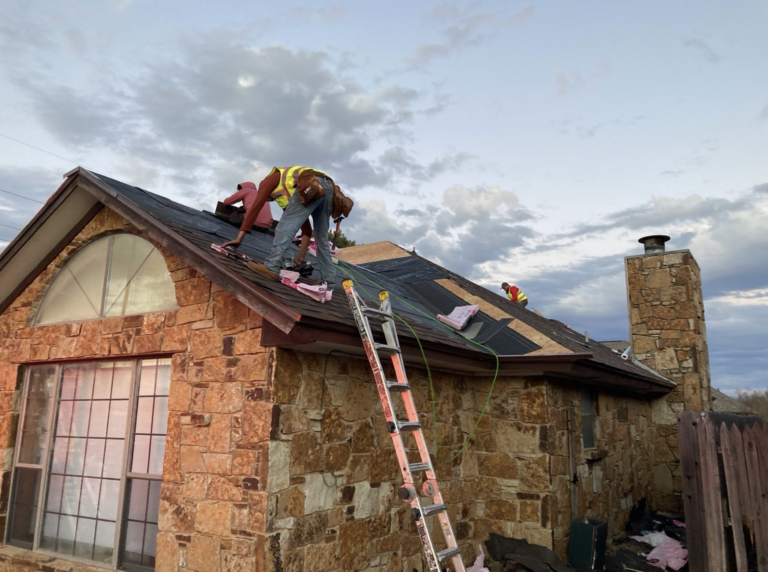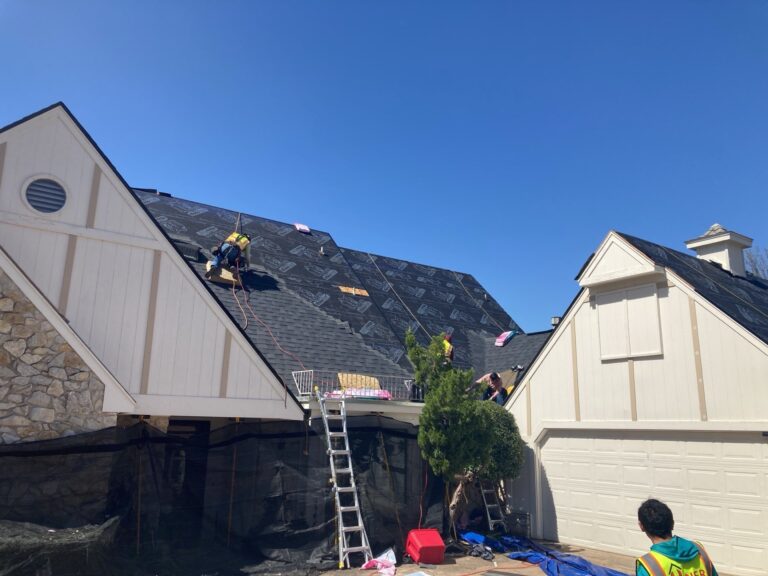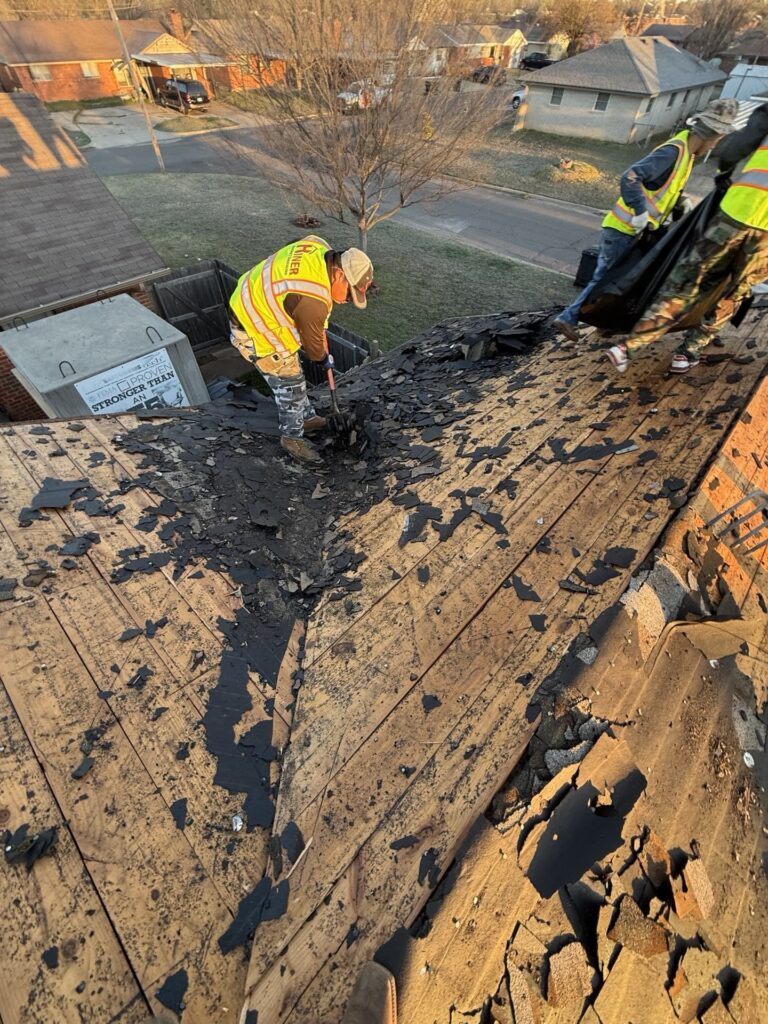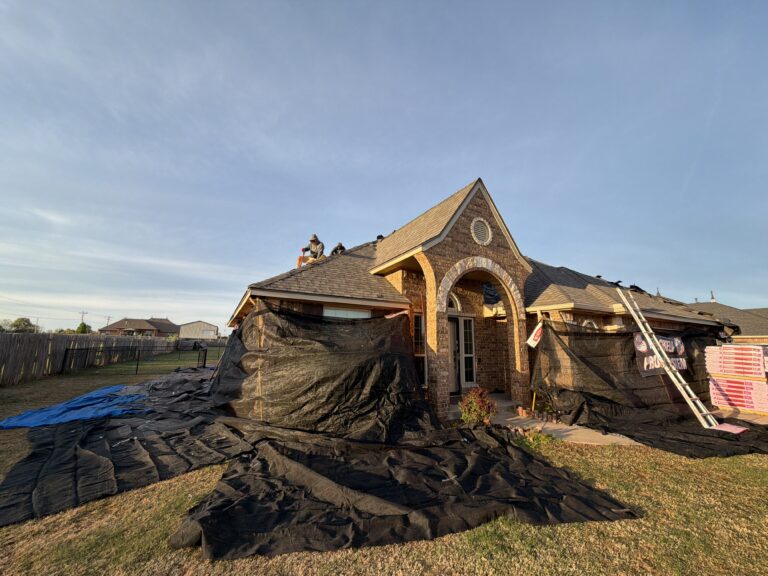
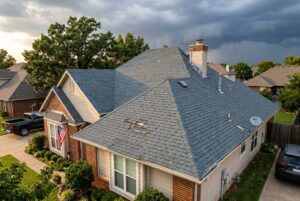
October is one of the most important months for protecting a home roof in Midwest City. After a long stretch of Oklahoma heat, wind, hail, and summer storms, your roof may have small weaknesses that have not shown up inside the house yet. A proper roof preparation plan gives Midwest City homeowners time to find those concerns or damage before colder rain, hard freezes, and winter wind put more pressure on the roofing system.
In Midwest City, to prepare your roof for winter and to avoid ice dams, you should first clean your gutters of fall leaves and schedule a professional inspection to check for broken shingles and loose roof flashing.
Pre-Winter Roof Checklist for Midwest City Homeowners
1. Address Summer Storm Damage Before Fall Rain
Oklahoma summer months can be tough on roofs because of severe heat, strong sunlight, unexpected thunderstorms, and high winds. Small roof problems caused during summer can get bigger and more costly if they are not fixed before the fall rains begin.
Why Fix Roof Damage Before Fall?
- Prevent Roof Leaks: Falls can bring long and heavy rain. Summer heat may crack shingles or dry out the sealant around flashing, giving rainwater a way into your home.
- Prevent Mold and Rot: When water gets under the shingles, it can make the roof decking and attic damp. This can lead to mold and wood rot.
- Reduce Winter Damage Water that gets trapped in the roof can freeze during winter. Frozen water expands and can make cracks and shingle damage worse.
- Make Repairs Easier: Early fall is usually a better time for roof work. Mild and dry weather makes repairs safer and easier than working during heavy rain or freezing temperatures.
Common Summer Roof Damage to Check For
- Cracked Shingles: High summer temperatures can make roofing materials expand and contract. Over time, this can cause shingles to crack or damage the sealant around vents and chimneys.
- Blisters and Granule Loss: Too much heat can cause shingles to blister. Check for bare spots on your shingles or a large amount of granules collecting in your gutters.
- Wind and Hail Damage: Summer storms can bring strong winds and hail. They may lift shingle edges, create dents, or weaken the shingles without causing an immediate leak.
2. Clean Your Gutters Before Winter
In Midwest City, cleaning your gutters before late fall is one of the most important steps to protect your home from winter water damage. Leaves, branches, and other debris can quickly gather up in the gutters, especially around homes with mature trees. Cleaning them at the right time helps keep rainwater and melting ice flowing away from your roof.
How Clogged Gutters Can Cause Ice Dams
When gutters are full of debris, rainwater and melting snow cannot drain properly.
- Water Backs Up: Water can collect along the edge of your roof instead of flowing through the downspouts.
- Water Freezes: When temperatures drop below freezing, the trapped water can turn into ice.
- Ice Dams Form: The ice can block more water from draining. This may allow water to get under the shingles and eventually cause leaks and damage inside your home.
When Should Homeowners Clean Their Gutters?
Timing your gutter cleaning can help prevent major clogs during the winter.
- Clean Twice if Needed: If your home has many trees nearby, consider cleaning your gutters once in mid-October and again in late November after most of the leaves have fallen.
- Check the Downspouts: After cleaning the gutters, run water through them with a garden hose. If the water drains slowly or backs up, there may be a clog inside the downspout or drain system that needs to be cleared before freezing temperatures arrive.
3. Why October Is a Better Window for Thermal Shingle Sealing
Many Midwest City homeowners ask whether shingles can be installed in cold weather. The short answer is yes, roof replacement can be completed during colder weather when the roofing system is installed according to the manufacturer’s instructions. However, October often provides a more favorable working window than the colder months that follow.
This is especially important for thermal shingle sealing. Asphalt shingles use a self-sealing adhesive strip that is designed to bond the shingle layers together after installation when it receives adequate warmth and sunlight. The exact installation requirements vary by manufacturer, product, roof slope, shade, and weather conditions.
As temperatures fall, shingles can become less flexible, and the adhesive strip may take longer to seal. That does not mean a winter installation is automatically a bad installation. It means the roofing contractor must follow the manufacturer’s cold-weather procedures, including hand-sealing when required, using correct fastening, and ensuring the roof deck is dry before work begins. These details matter even more before winter storms bring high winds, frozen surfaces, and rapid temperature swings.
October gives homeowners more scheduling flexibility before prolonged cold, freezing rain, and shorter daylight hours become regular concerns. It also makes it easier to address a roof that is already nearing the end of its service life instead of waiting until a winter storm escalates a known problem into an urgent decision.
4. Check Your Attic Before Winter
Checking your attic before winter can help prevent ice dams on roofs. While clean gutters give water a clear path to drain, proper attic insulation and ventilation help keep your roof at a steady temperature and reduce the chance of ice dams forming.
How a Warm Attic Can Cause Ice Dams
Ice dams can form when heat from your home warms the roof and melts snow. The process usually happens in a few steps:
- Heat Escapes: Warm air from your home can enter the attic through poor insulation or small gaps.
- Snow Melts: The heat warms the roof from underneath, causing snow on the roof to melt.
- Water Freezes at the Eaves: The melted snow flows toward the colder roof edges, where it can freeze and form a layer of ice.
- Water Backs Up: More melted snow can collect behind the ice. The trapped water may get under the shingles and cause leaks and damage inside your home.
3 Things to Check in Your Attic Before Winter
- Check the Insulation: Look at the insulation on your attic floor. It should cover the floor joists well. If you can easily see the wooden joists, you may need more insulation. In Oklahoma, an insulation level of around R-38 to R-60 is commonly recommended, depending on the home and building requirements.
- Keep Soffit Vents Clear: Check the edges of your attic where the roof meets the walls. Make sure insulation or other materials are not blocking the soffit vents. Good airflow helps remove warm air and keeps the roof deck cooler.
- Seal Air Leaks: Check for gaps where warm air can escape from your home into the attic. Seal gaps around recessed lights, plumbing pipes, and the attic access hatch with the appropriate caulk or foam. This helps keep warm air inside your home instead of allowing it to heat the attic.
A Quick Midwest City Pre-Winter Roof Checklist
Before the weather changes, take a few minutes to:
- Check the ceiling and attic for new water stains or damp insulation.
- Look from the ground for missing shingles, lifted edges, damaged flashing, or debris-filled valleys.
- Make sure gutters and downspouts can carry water away from the home.
- Trim back branches that rub the roof or regularly drop heavy debris.
- Watch for sagging areas, uneven roof sections, or changes that could signal water damage or structural damage.
- Schedule an inspection if your roof has recent storm damage, is showing visible wear, or is approaching the age when replacement may be needed.
If you also want to know the signs of roof replacement, read our complete blog: Signs You Need a New Roof
Schedule Your Free Pre-Winter Roof & Gutter Evaluation
Do not guess whether your roof made it through the Oklahoma summer. Contact Hiner Roofing for Midwest City roof replacement. A trained eye can check for summer damage, drainage concerns, ventilation issues, shingle problems, and signs that roof replacement may be the right next step.
Hiner Roofing is an Oklahoma-based, registered roofing contractor. We help Midwest City homeowners make informed decisions with honest roof inspections, professional roof replacement, storm-damage evaluations, and insurance claim assistance. A roof inspection before winter provides assurance and peace of mind before December and the winter season begins.
Frequently Asked Questions
What should I do if I notice leaks or drafts in my attic?
You should act quickly to identify the cause and repair it before rain or freezing weather leads to severe structural damage.
Can overhanging trees damage my roof?
Yes. Overhanging branches can scrape shingles, damage flashing, and fill gutters with debris. Trim branches that touch or hang close to the roof, and schedule an inspection if a storm causes visible damage.
How can poor attic insulation lead to ice dams?
Bad attic insulation leads to ice dams by letting warm air from your living space to exit into the attic, which melts snow on the upper roof while the lower edges remain freezing cold.
How can I prepare my attic for winter in Midwest City?
To prepare your attic for winter in Midwest City, Oklahoma, you should focus on trapping heat inside your home and keeping your roof deck uniformly cold.